24/7 roadside assistance • Hamilton • Burlington • NiagaraNeed a tow? Let’s talk about the job ↗
HAMILTONHEAVY TOWING
MENU ☰

COMBINATION VEHICLE PLANNING

Tractor-trailer towing in Hamilton

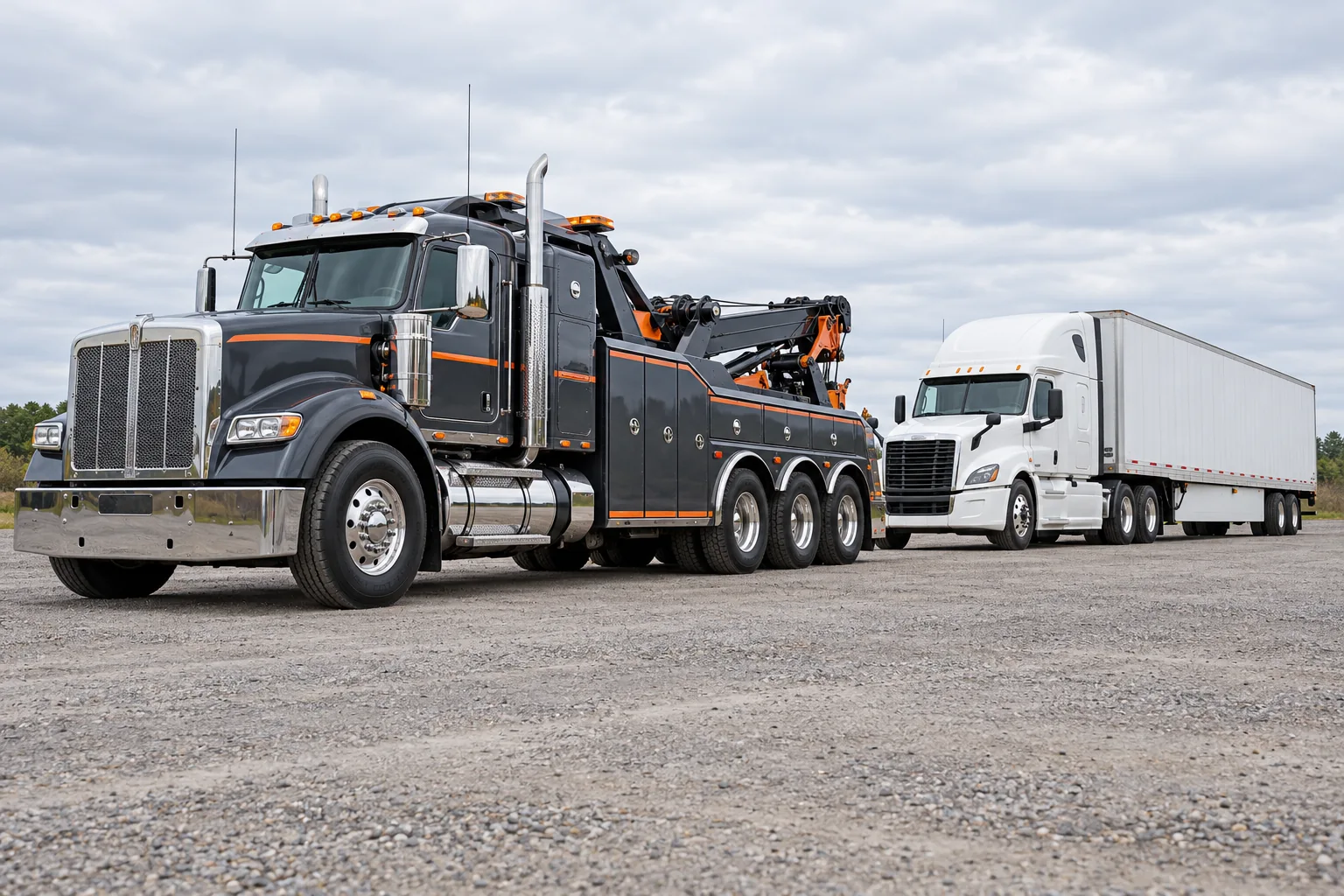
A disabled tractor-trailer brings the power unit, trailer and cargo into one towing decision. The combination may be empty, fully loaded or carrying goods with handling restrictions, so an accurate description is essential. Hamilton Heavy Towing provides tractor-trailer towing for breakdowns and planned transfers in Hamilton and the Niagara corridor, with recovery requirements assessed separately. Share the trailer type, approximate loaded weight and road position before discussing equipment. Any towing, trailer separation, cargo work or recovery should be specifically confirmed. A complete plan gives the driver and carrier a clearer path from breakdown to the receiving yard.

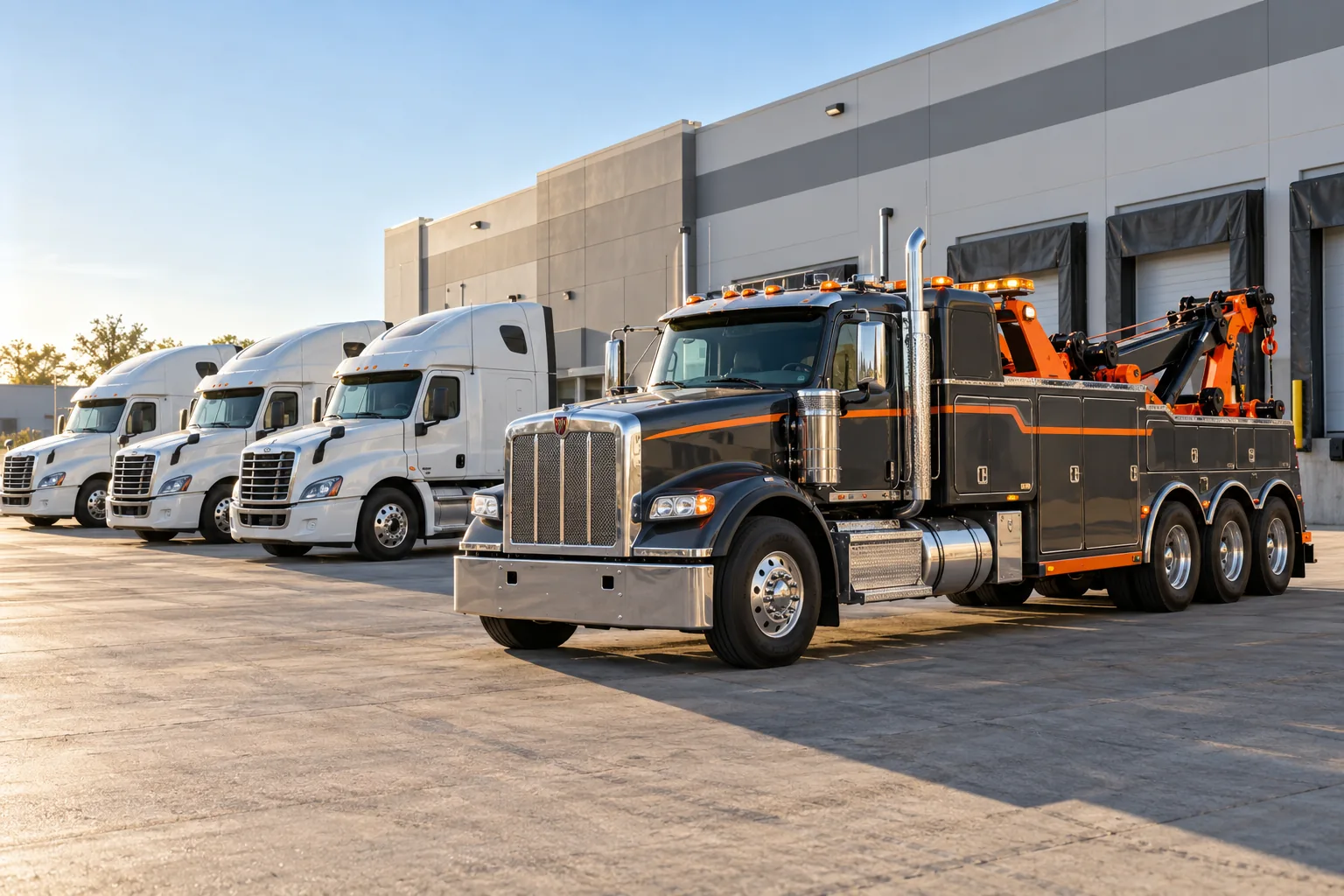
Heavy tow truck and three freight tractors parked at a commercial loading yard

The details that make the difference

Keep the cargo and combination in the same conversation

A dry van, refrigerated trailer, flatbed and specialized trailer can each change the requirements of a move. Alongside tractor information, report trailer dimensions, axle condition, coupling concerns and whether cargo has shifted. Time-sensitive or temperature-controlled freight needs coordination with the carrier; towing alone does not resolve those obligations. The assessment may identify that a straightforward tow is suitable, or that further equipment, recovery expertise or cargo arrangements are needed first. Discuss these possibilities without assuming a particular solution. Confirm the approved destination, trailer handling responsibilities and who can authorize added work before the movement begins.

When this service makes sense.

Loaded combination breakdown

Give the cargo description and available weight information. Mention temperature sensitivity, dangerous goods or unusual load dimensions so the request can be assessed appropriately.

Trailer damage or wheel trouble

Describe visible damage and whether the trailer can roll. Damaged running gear can materially change the equipment and planning required.

Jackknife or off-road position

Identify the road position and any immediate danger. Recovery is a separate assessment; do not attempt to straighten or move the combination yourself.

Carrier yard transfer

Arrange release and receiving contacts for both the tractor and trailer. Confirm whether the combination is to remain together throughout the move.

What to share when you call.

  • Trailer type and cargo condition are essential parts of a combination-vehicle enquiry.
  • A load shift, rollover or damaged trailer may require specialist support beyond a standard tow.
  • Refrigerated freight and regulated cargo remain subject to the carrier’s handling obligations.
  • Cargo transfer, trailer separation and extra equipment require explicit scope and availability confirmation.
A service request is assessed for the vehicle, conditions and available equipment. Specialist lifting, load handling, unusual dimensions or complex recovery may need additional planning. Call to confirm the scope for your job.

A direct route to the next step

Need tractor-trailer towing?

Call 289-670-3373 to talk through the job, or share your vehicle and pickup details here. For roadside assistance, the phone line is available 24/7.

Heavy tow truck and three freight tractors parked at a commercial loading yard
Vehicle type, condition and access help determine the towing plan.

Urgent help starts with a call. A saved online enquiry does not dispatch a truck.

Get a free no obligation quote.

Online enquiries continue by email after saving. For immediate assistance, call 289-670-3373.

After saving, open the prepared email and press Send. We use these details to respond to your request. Privacy information.

The vehicle changes. The details matter.

Towing services for your situation.

Explore the service that matches the vehicle and the problem. Each guide explains what to share, what affects the plan and what to ask before authorizing work.

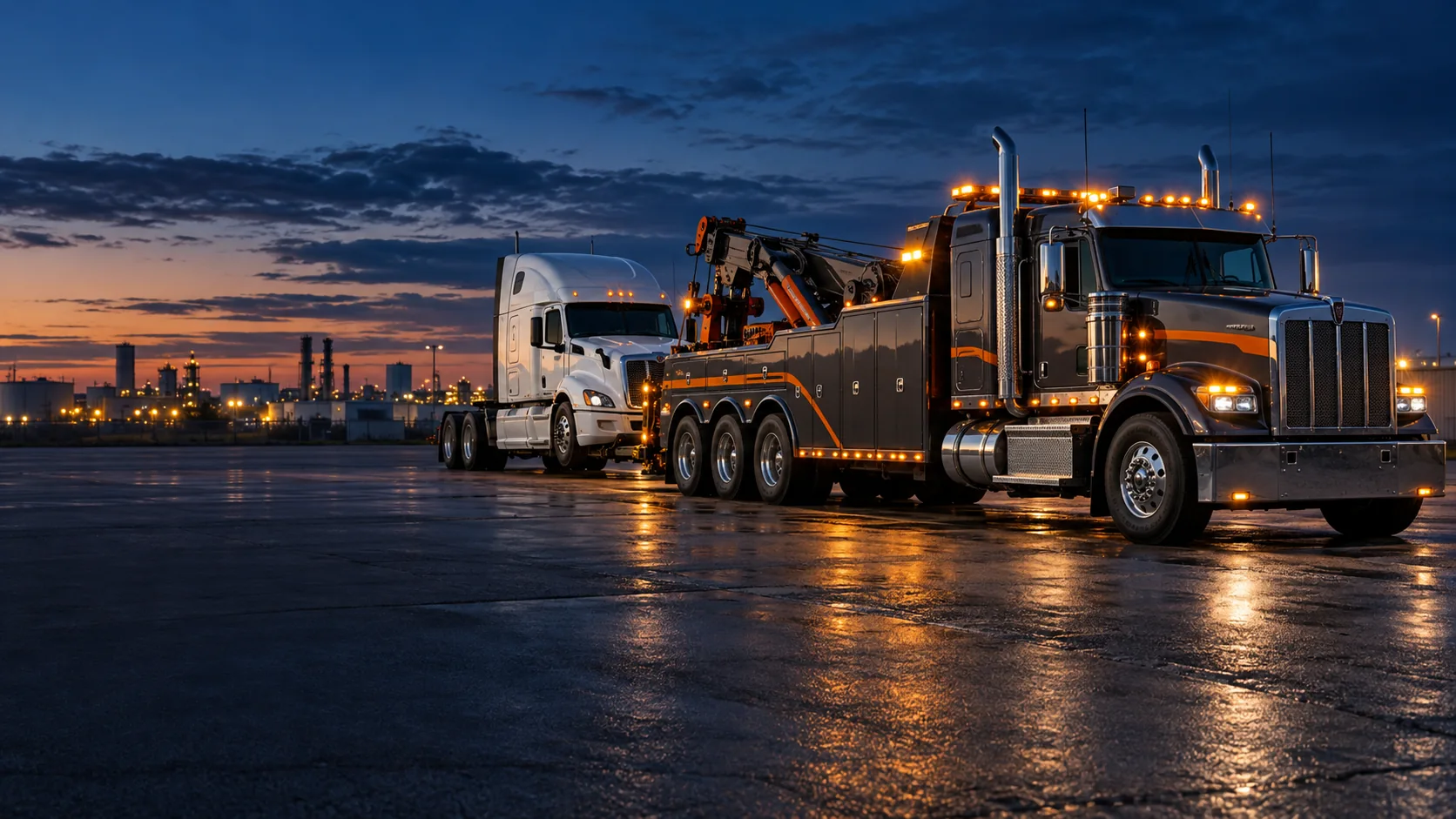
Heavy-duty wrecker and white semi tractor parked in an industrial yard at dusk
Heavy truck towing ↗Weight, configuration and vehicle condition shape the heavy towing plan.
Heavy tow truck and three freight tractors parked at a commercial loading yard
Fleet and commercial transport ↗Coordinate the driver, the authorizing contact and the receiving facility.
Heavy wrecker and upright tractor trailer at a private recovery staging yard
Commercial recovery ↗Recovery needs start with the vehicle’s position, stability and access.

Understand the service

Coordinate the combination, freight and onward journey

The clearest tractor-trailer instruction accounts for every asset involved. A disabled power unit, a damaged trailer and a freight problem can overlap, but they create different decisions about resources, responsibility and where the combination should go next.

A connected combination behaves as a complete vehicle

A semi-trailer is supported partly through its connection to the tractor, so the combination is more than two independent vehicles parked together. Trailer loading, running gear and the connection between the units influence the transport assessment. A power-unit fault does not establish that the whole combination can move in the same way as an empty tractor. The loaded configuration, trailer condition and intended movement need to be considered together.

Combination length also affects access through a yard or receiving entrance. Space to drive a working tractor-trailer into a location does not automatically establish room for towing equipment and a disabled combination. Where different parties own the tractor, trailer and freight, those physical decisions also require clear authority. A single movement instruction should identify the assets, approved destination and people responsible, with separate cargo or storage obligations explicitly agreed.

Cargo status changes more than the weight of the trailer

Cargo creates several kinds of exposure beyond its contribution to weight. A shifted load changes its position within the trailer and may affect stability; damaged goods can introduce handling questions; refrigerated freight has an operating timetable independent of the tow. A trailer seal adds a custody consideration. These differences explain why a loaded combination needs more than a generic description of full or empty before the transport scope can be assessed.

If freight may need to change vehicles, explain the type of load and its existing handling arrangements without attempting to open or unload a compromised trailer. Cargo transfer can introduce a different location, equipment and group of people from those needed for towing. Ask what support can actually be confirmed and who will supervise freight acceptance. Keep the original shipper or carrier instructions available for the parties authorized to act on them.

Locate the fault within the combination

A tractor engine failure with an otherwise serviceable trailer is different from damaged trailer wheels, collapsed landing gear or a compromised coupling. Tell the booking contact which unit has the problem and whether the combination is still connected. Describe visible changes from an existing safe position. A trailer that looks straight in a photo may still have running-gear damage that affects whether and how it can be transported.

Do not assume that separating the units is the answer to every breakdown. Separation needs a suitable site, authorization and assessment of the actual condition. The carrier may prefer a replacement power unit, a whole-combination move or two destinations, but the requested outcome still has to fit the vehicles and available access. Explain the business preference as a request so it can be considered alongside the practical transport constraints.

Plan the sequence when tractor and trailer have different destinations

A tractor may need a repair shop while a trailer needs a carrier yard, delivery facility or another approved holding location. Identify the receiving contact, opening hours and access at each destination before settling the sequence. Ask whether either site can accommodate the connected combination during handover. The amount of preparation and travel can change when the job includes more than one delivery or an intermediate stop.

Have the estimate explain which units move, which destinations are included and what happens if a receiver cannot accept delivery. Agree how waiting, an additional trip or a changed trailer arrangement would be authorized. The useful comparison is the whole movement plan, including cargo-related dependencies, rather than a single distance to the tractor workshop. Confirming these details early gives dispatchers, drivers and receivers one consistent instruction to follow.

A clearer budget

Understand the cost of this service.

A regional operator’s example for straightforward local heavy-vehicle hookup and transport. Minimum hours, travel, distance, vehicle configuration and taxes need confirmation; this is not an all-inclusive job price.

Full towing prices & cost guide ↗

Basic local heavy towing

$150–$250/hour

Regional advertised budget guide · straightforward towing

Published provider-guide reference in CAD; not our rate schedule or a confirmed quote. Minimum time, travel, mileage, added resources and taxes need confirmation.

Published market source ↗

A clear process

Plan the job.
Confirm the next step.

01 /

Document the combination

Provide tractor and trailer type, loaded status, dimensions and the pickup location without approaching an unsafe scene.

02 /

Define towing and recovery separately

Review whether the request is road transport, recovery, cargo support or a combination. Confirm that required equipment and personnel are available.

03 /

Approve the destination and scope

Agree on the receiving location, authorizing contact and quoted activities. Explain how any load-related decisions will be handled by the carrier.

Let’s talk about your tractor-trailer towing.

Share your location, vehicle type and what happened. We’ll talk through the next step.

289-670-3373 ↗

A little clarity goes a long way

Tractor-trailer towing questions.

Practical answers for the vehicle, equipment and situation.

Ask us about your job ↗
Can a tractor and trailer be towed together?

Sometimes, but the answer depends on the combination, loaded weight, mechanical condition, route and suitable equipment. A connected combination should be assessed as a whole rather than booked as a generic truck tow.

Do you handle refrigerated trailers?

Enquiries can describe refrigerated equipment, but towing availability and the transport approach must be confirmed. The carrier should separately manage refrigeration, fuel, temperature monitoring and any time-sensitive freight requirements.

What if the load has shifted?

Report the shift during the first conversation. A shifted load can affect stability and may require specialist assessment, cargo arrangements or recovery equipment before transport. Do not attempt to correct it yourself.

Can you arrange cargo transfer?

Ask whether suitable cargo-transfer support can be confirmed for the specific load and scene. It is not included automatically and requires separate consideration of equipment, personnel, cargo handling and authorization.

Who should authorize work on a commercial combination?

Identify the carrier, owner or other person with authority for the tractor, trailer and load. Confirm the approving contact and any insurer or shipper instructions before agreeing to work.

What if the trailer landing gear, coupling or suspension is damaged?

Identify the known damage and say whether the combination remains connected and stable. These conditions can affect separation and transport, so they need assessment before a plan is accepted. Avoid entering beneath the trailer or adjusting damaged equipment yourself.

The tractor and trailer have different owners. Who needs to be involved?

Identify the parties authorized to approve movement of each unit and the freight. A hired trailer or third-party load may involve additional contacts. Confirm destinations, cargo instructions and responsibility for charges with the relevant decision-makers before work begins.

Does trailer height and body type matter even for a short tow?

Yes. State whether the trailer is a van, reefer, flatbed or another configuration, plus known dimensions, overhang and loaded status. A short distance still requires appropriate equipment and access. Check that the receiving yard can accommodate the complete combination.

Can the trailer go to a yard while the tractor goes to a mechanic?

Describe both destinations and your requested sequence. Separate delivery, temporary parking and additional handling must be reviewed as part of the scope. Confirm authorization, cargo arrangements and receiving access at both locations before treating the split move as booked.

Keep exploring

More help for your next move.

Hamilton and the surrounding region

Find help in your area.

Let’s get the details right

Big job or small.
Start with a clear quote.

Tell us what needs moving, where it is, and where it needs to go. We’ll discuss the suitable towing method, access, availability and cost before you commit.

289-670-3373hamiltonheavytowing@gmail.com
  • Heavy trucks, commercial fleets & everyday vehicles
  • Hamilton, surrounding communities & Niagara Falls
  • Long-distance transport enquiries welcome

Need urgent help? Call. Online enquiries are not a confirmed booking or dispatch. For an immediate threat to life or a dangerous traffic situation, call 911.

Tell us what you need.

Online enquiries continue by email after saving. For immediate assistance, call 289-670-3373.

After saving, open the prepared email and press Send to deliver your enquiry. For immediate assistance, call. Your details are used to respond to this request. Privacy information.

24/7 roadside assistanceCall 289-670-3373No obligationGet a free quote ↗