Plan around the actual pickup
Plan the pickup around the route and property
Wilson Street and Garner Road are useful Ancaster location references, with Highway 403 forming an important regional connection. They are starting points for a conversation, not proof that every connecting street suits a heavy vehicle. For a commercial pickup, tell us about turning room, overhead clearance, gate widths and the surface around the disabled unit. For a car outside a home or shop, describe nearby parked vehicles and whether it can roll. A receiving garage may have different access from the pickup, so discuss both ends before a tow or scheduled transport is confirmed.
Different situations. Different towing needs.
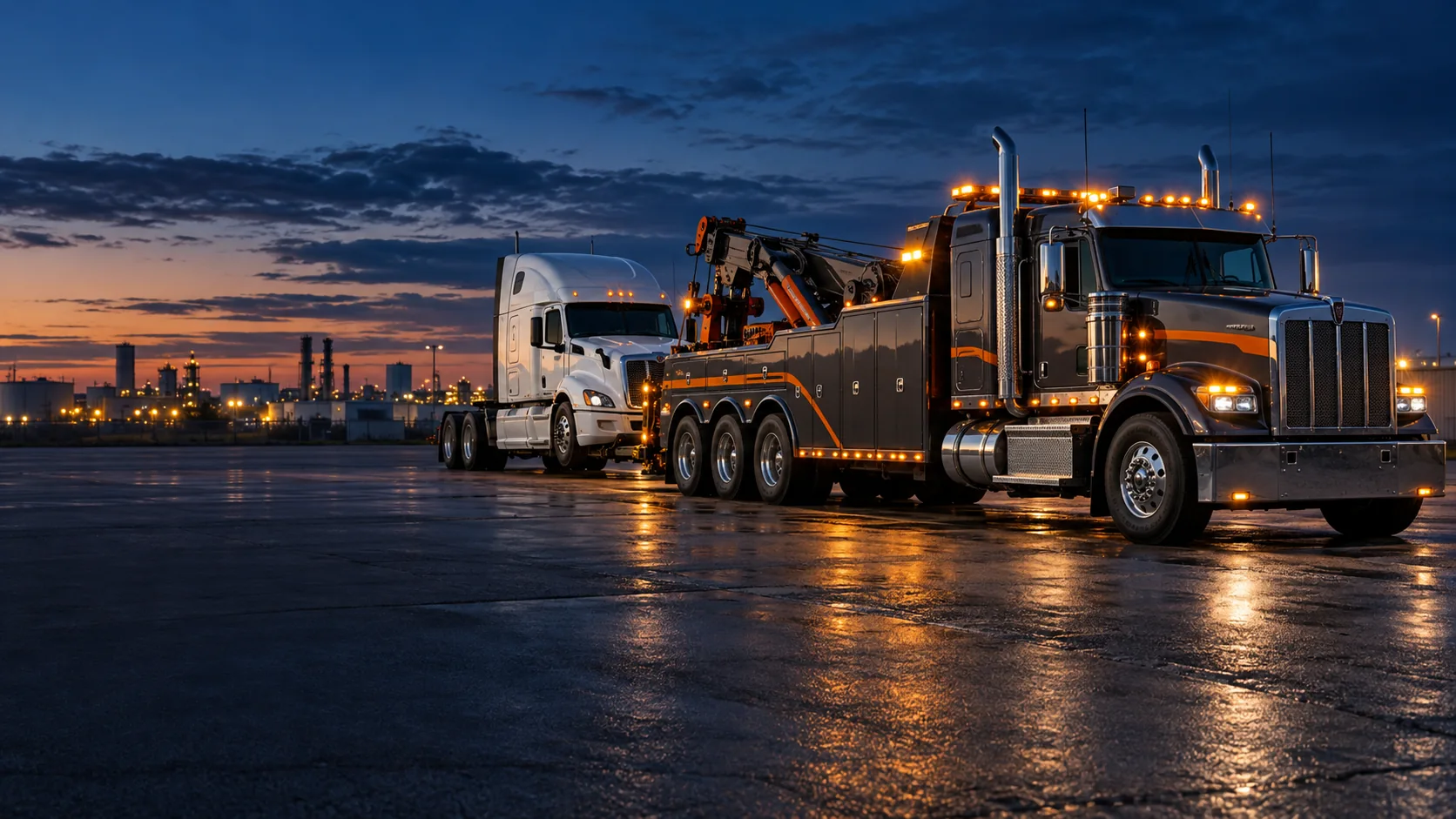
Commercial truck at a tight yard entrance
Share site photos from a safe position and identify the truck dimensions and load. The recovery approach should account for both the disabled unit and room for the attending equipment.
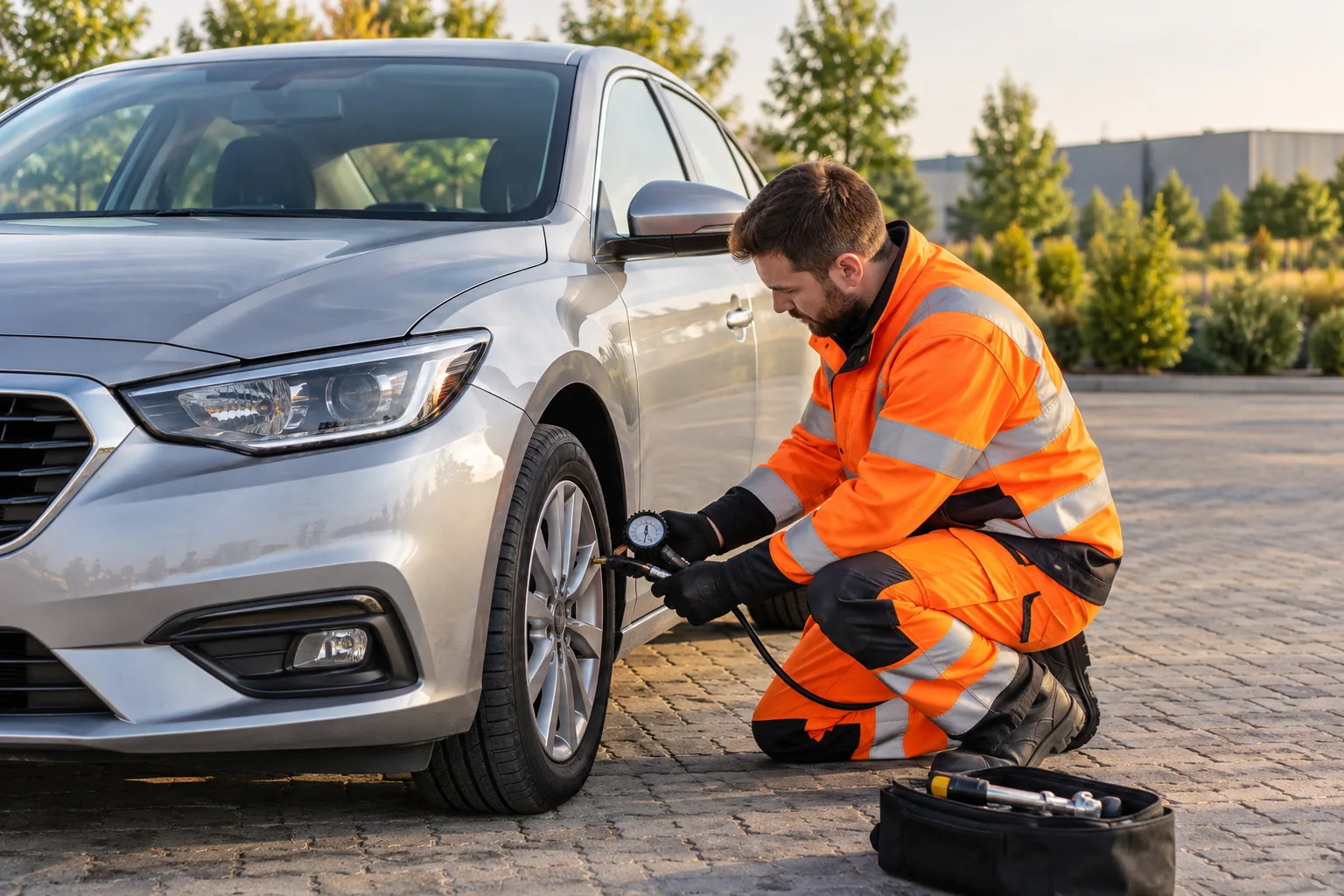
Passenger car in a village parking area
Request towing with the parking-space location, key availability and any steering or rolling restrictions. A flatbed may be considered after access and loading requirements are reviewed.
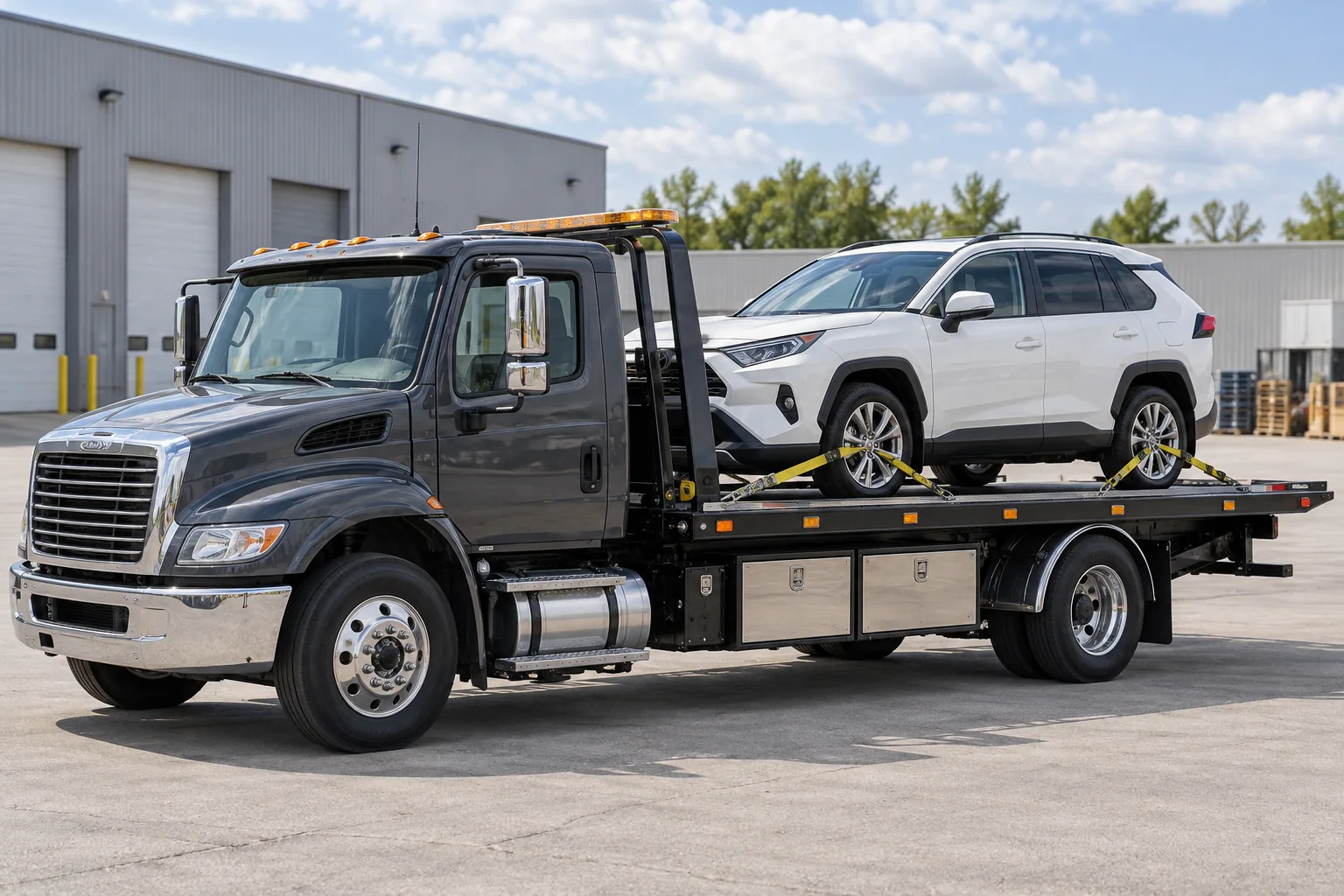
Booked move to a specialist repairer
A planned transport request can include pickup windows, vehicle dimensions and the receiving workshop contact, making it easier to review a transfer beyond the immediate Ancaster area.
Make your Ancaster request easier to assess.
- Use a cross street or property name alongside the pickup address.
- Mention low branches, overhead structures and narrow commercial entrances.
- For scheduled transport, supply the destination contact and accepted delivery window.
Heavy towing, roadside help & transport.
A breakdown, a recovery and a scheduled move call for different information. Explore the detailed service pages for towing methods, vehicle considerations, dispatch questions and cost factors.