The details that make the difference
Trailer type and condition determine the transport options
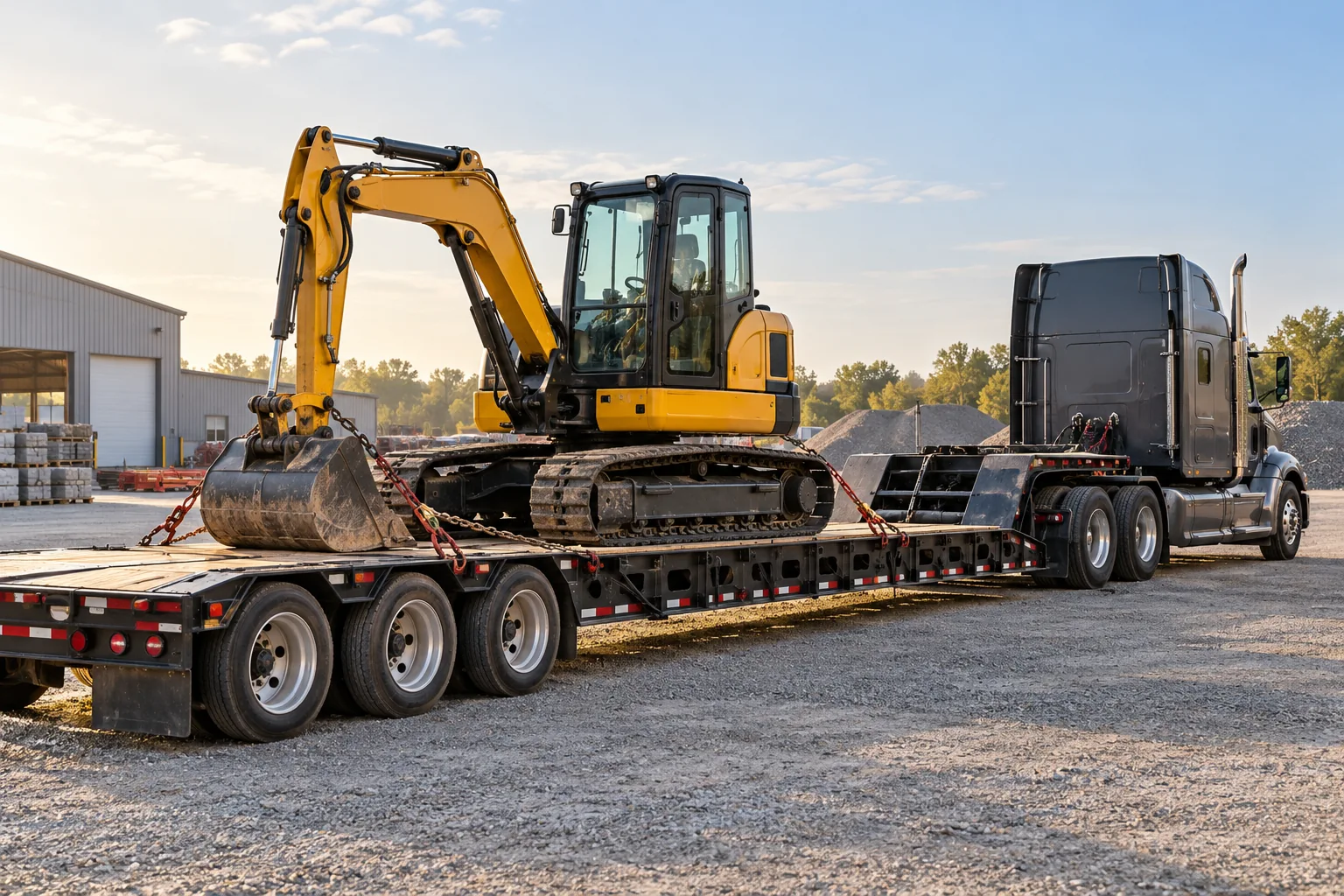
A commercial semi-trailer, fifth wheel, travel trailer and small utility trailer each present different coupling, brake, running-gear and weight questions. State which type you have and whether it is registered, loaded and mechanically complete. Describe damaged wheels, landing gear or structural concerns without attempting unfamiliar repairs. A trailer in a tight storage space may need different planning from one ready for collection at an open yard. The provider needs enough information to assess an appropriate movement rather than presume it can simply connect and leave. Confirm property access, release authority and a destination that can receive the exact trailer.
When this service makes sense.
Commercial semi-trailer transfer
Share trailer type, dimensions, loaded condition and running-gear status. Carrier authorization, suitable power or transport equipment and receiving access need confirmation.
Travel trailer or fifth wheel
Provide model, weight information and coupling type. An RV trailer should not be booked as a generic passenger-car or motorhome tow.
Utility or enclosed trailer move
Describe the contents, axle arrangement and condition. Cargo, hitch compatibility and roadworthiness affect whether an ordinary connected move is suitable.
Damaged or non-rolling trailer
Disclose wheel, brake, frame or landing-gear concerns immediately. Additional recovery or loading resources may be required before transport is possible.
What to share when you call.
- Commercial, utility and recreational trailers each require their own suitability assessment.
- Coupling compatibility, brakes, tires, load and structural condition must be considered.
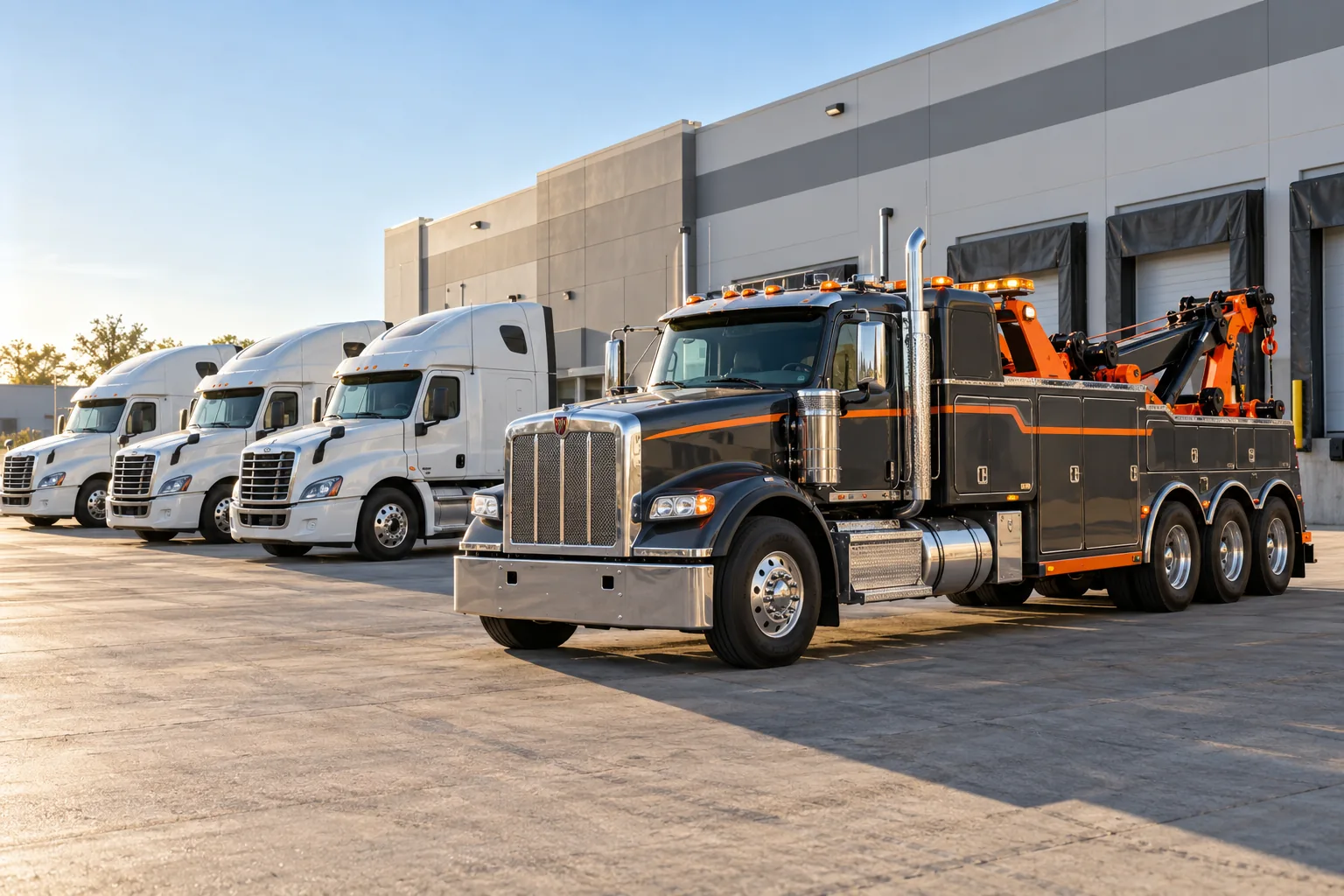
- A trailer with damaged running gear may need recovery or loading rather than a connected tow.
- Contents handling, permits, specialist equipment and long-distance scheduling require confirmation.