Plan around the actual pickup
Valley access and the final approach
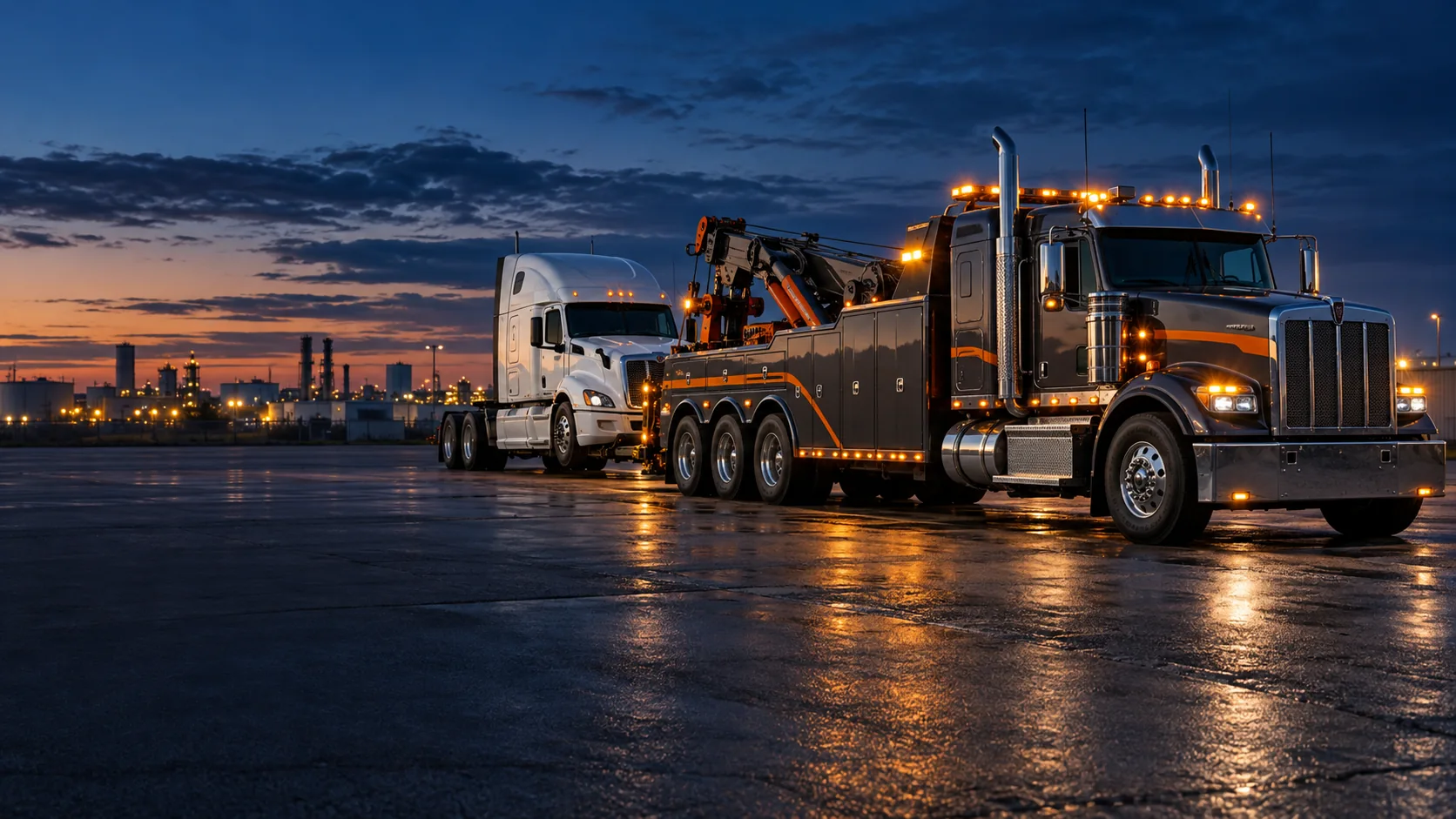
Cootes Drive, Osler Drive and the downtown Dundas streets provide different approaches to local addresses. Give the actual side street or entrance where the vehicle is sitting, particularly when a business backs onto another road. A heavy recovery request also needs dimensions, axle details and any load that changes the total weight. Do not assume the shortest car route is suitable for a recovery combination. For a rural-edge property, describe the driveway surface and turning area. These details help the operator assess whether transport, recovery equipment or a different site arrangement is needed.
Different situations. Different towing needs.
Vehicle blocked in a rear parking area
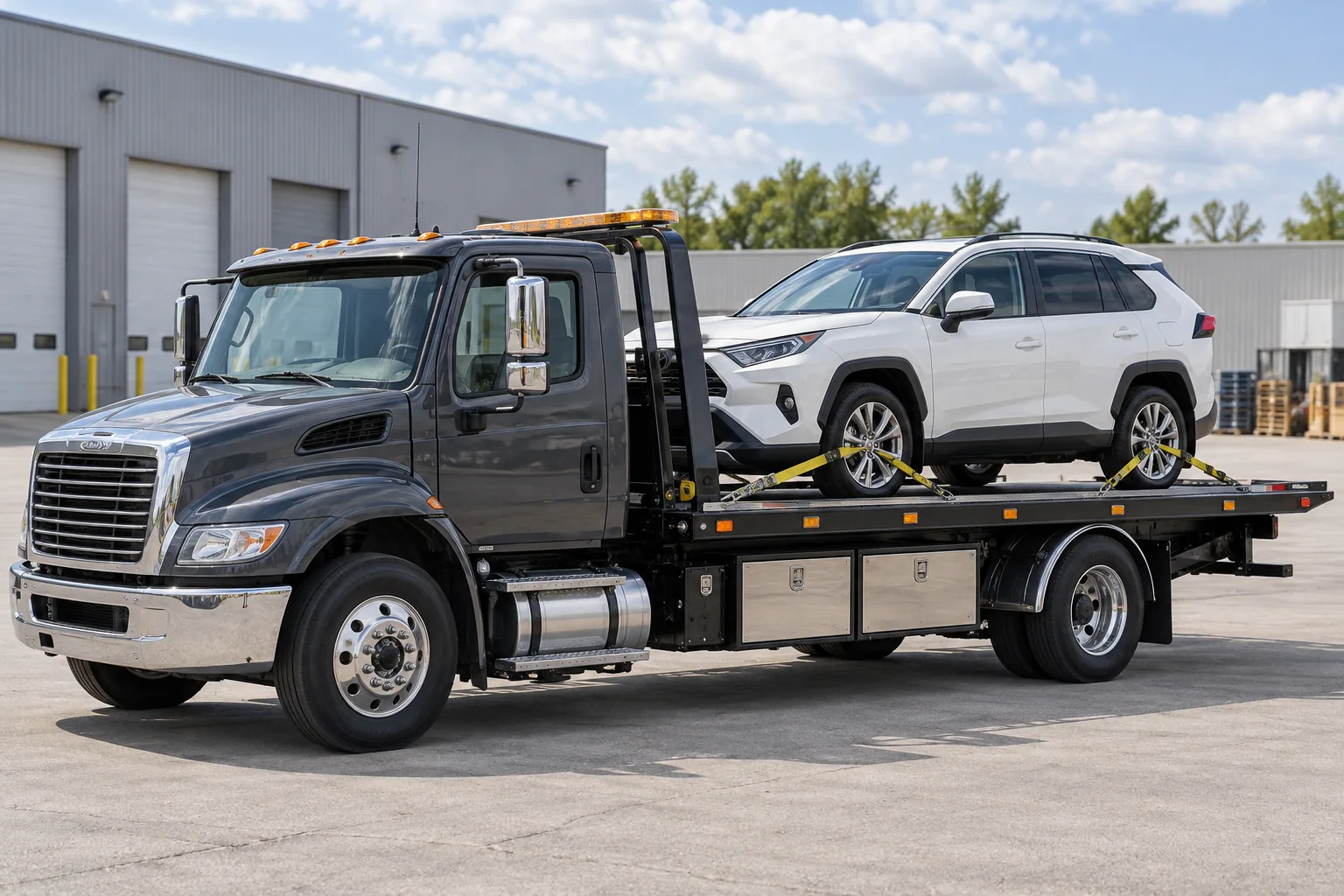
Explain how the parking area is entered and what surrounds the vehicle. Locked wheels, tight corners or low clearance should be part of the initial request.
Commercial unit near a residential street
Provide the truck configuration and the destination rather than directing a large recovery vehicle through an assumed shortcut. Route and local access must be reviewed together.
Non-running vehicle on a sloped property
Describe the slope and whether the unit can roll or steer. Request a professional recovery assessment before making any attempt to move or reposition it.
Make your Dundas request easier to assess.
- Give the pickup entrance, not only the building street address.
- Explain the driveway slope, surface and any restrictions on turning space.
- Tell the operator if wheels are locked or the vehicle cannot be placed in neutral.
Heavy towing, roadside help & transport.
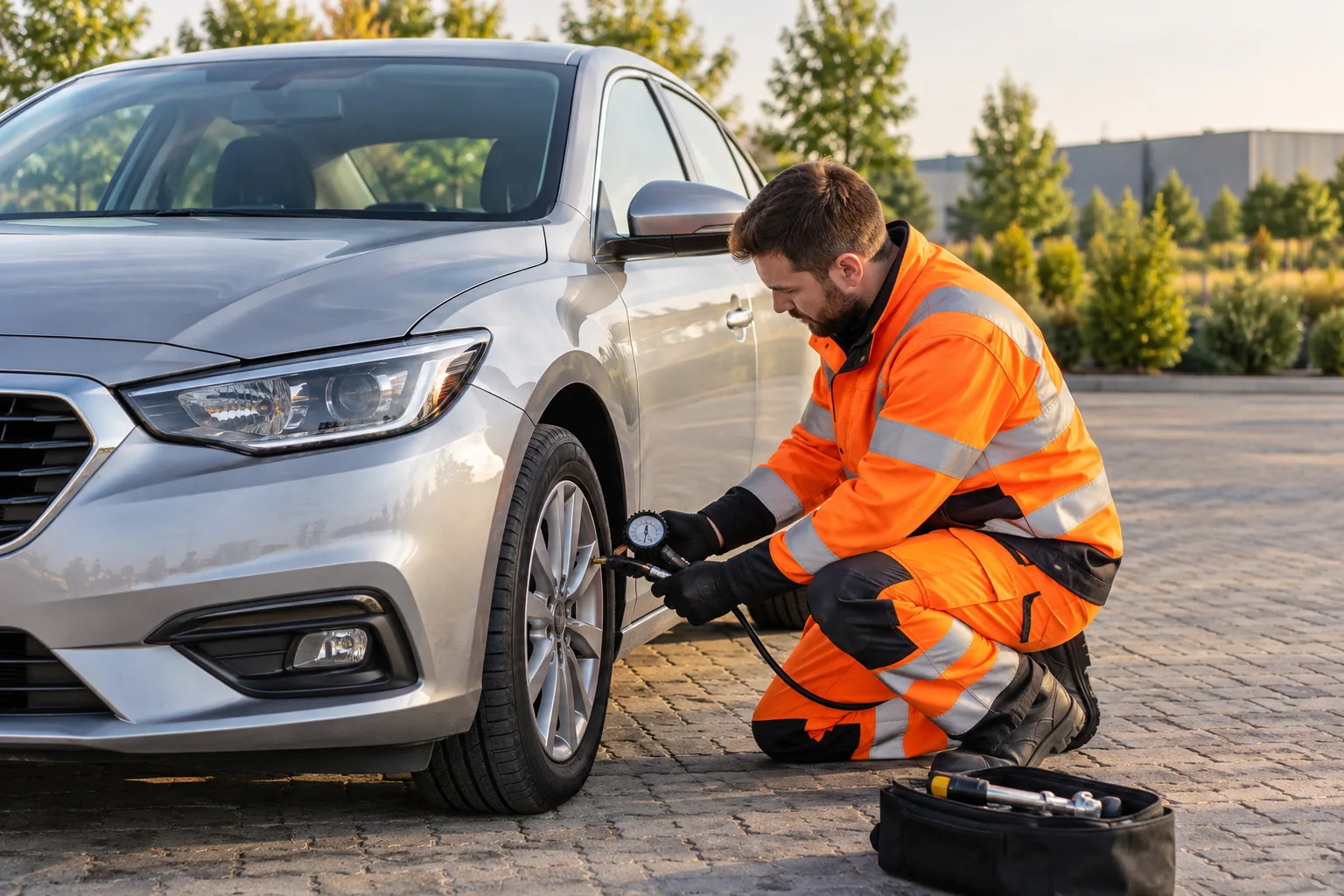
A breakdown, a recovery and a scheduled move call for different information. Explore the detailed service pages for towing methods, vehicle considerations, dispatch questions and cost factors.