24/7 roadside assistance • Hamilton • Burlington • NiagaraNeed a tow? Let’s talk about the job ↗
HAMILTONHEAVY TOWING
MENU ☰

LOW-VOLTAGE STARTING SUPPORT

Battery boost assistance in Hamilton

A no-start situation may involve a discharged low-voltage battery, but it can also result from a different electrical or mechanical fault. The first step is to describe the symptoms, vehicle model and any warning messages, rather than assume a jump start is the answer. Hamilton Heavy Towing offers battery boost assistance through its 24/7 roadside service in Hamilton and nearby communities, with vehicle and battery condition assessed before assistance. Explain whether the battery appears damaged or the vehicle has been in a collision. Assistance must follow manufacturer guidance; hybrid and electric high-voltage systems require separate specialist attention and are not ordinary boost targets.

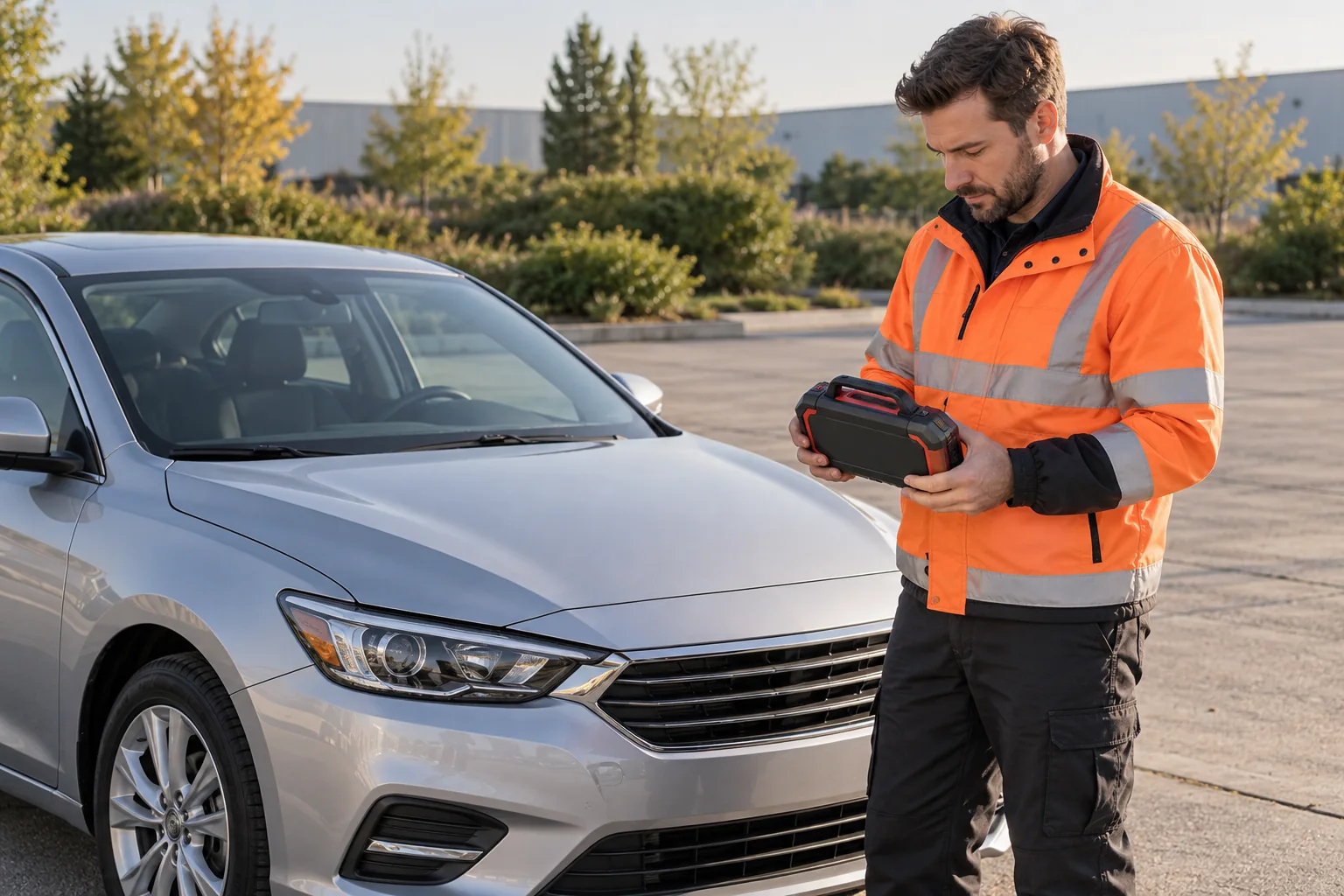
High-visibility technician inspecting a closed jump pack beside a parked sedan

The details that make the difference

A boost is an assessment, not a battery diagnosis

Interior lights, clicking sounds or an inactive dashboard can help describe the problem, but none proves a battery is the only cause. Provide what you have observed and avoid repeated start attempts or improvised cable connections. The vehicle’s low-voltage system, designated connection points and manufacturer instructions need consideration before any boost. A visibly damaged, leaking, overheated or otherwise suspect battery should be disclosed immediately. If the vehicle starts, an underlying battery or charging-system problem may still need professional diagnosis. If it does not, discuss the next step and any towing cost instead of assuming further roadside attempts are appropriate.

When this service makes sense.

Car will not start

Describe the sounds or dashboard behaviour already observed. State how long the car has been parked and whether lights or accessories were left on, if known.

Battery concern at home

Provide driveway or parking access details and the vehicle model. A vehicle at home still needs a suitable low-voltage battery assessment before boosting.

Hybrid or electric vehicle enquiry

Identify the exact model and whether the concern involves the low-voltage supply. High-voltage battery faults or damaged traction batteries require specialist guidance, not a conventional boost.

Commercial battery-system request

Specify the truck and battery-system information you already know. Different voltage or multi-battery configurations require separately confirmed equipment and suitability.

What to share when you call.

  • Battery boosting is considered only for suitable low-voltage systems under manufacturer guidance.
  • Disclose swelling, leakage, heat, collision damage and suspected battery defects.
  • Damaged high-voltage EV systems and traction batteries are not conventional jump-start work.
  • Battery replacement, charging-system repair and diagnostic testing are not automatically included.
A service request is assessed for the vehicle, conditions and available equipment. Specialist lifting, load handling, unusual dimensions or complex recovery may need additional planning. Call to confirm the scope for your job.

A direct route to the next step

Need battery boost?

Call 289-670-3373 to talk through the job, or share your vehicle and pickup details here. For roadside assistance, the phone line is available 24/7.

High-visibility technician inspecting a closed jump pack beside a parked sedan
Vehicle type, condition and access help determine the towing plan.

Urgent help starts with a call. A saved online enquiry does not dispatch a truck.

Get a free no obligation quote.

Online enquiries continue by email after saving. For immediate assistance, call 289-670-3373.

After saving, open the prepared email and press Send. We use these details to respond to your request. Privacy information.

The vehicle changes. The details matter.

Towing services for your situation.

Explore the service that matches the vehicle and the problem. Each guide explains what to share, what affects the plan and what to ask before authorizing work.

High-visibility technician inspecting a closed jump pack beside a parked sedan
Battery boost assistance ↗Explain the symptoms and vehicle type before a roadside starting assessment.
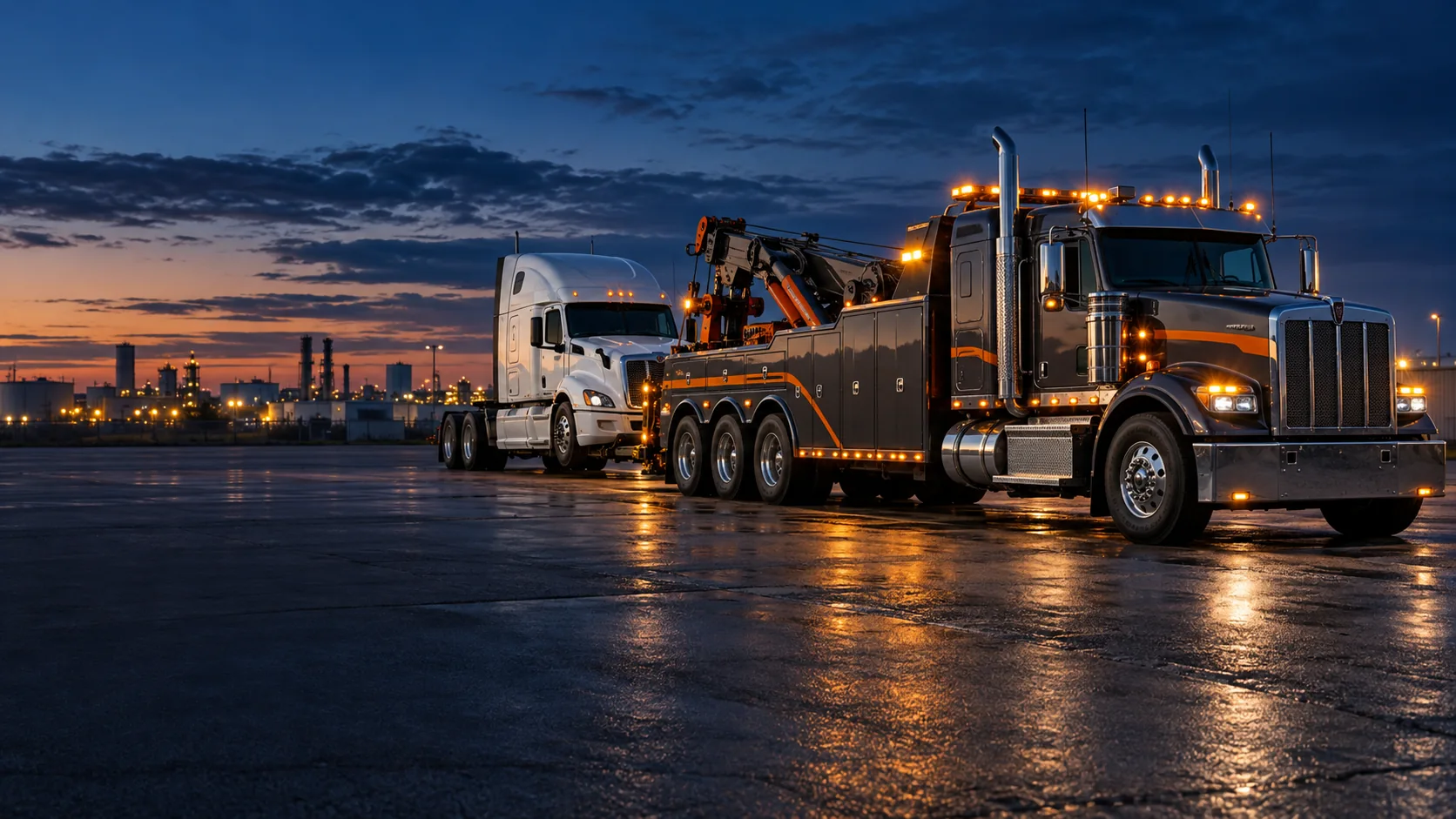
Heavy-duty wrecker and white semi tractor parked in an industrial yard at dusk
Heavy truck towing ↗Weight, configuration and vehicle condition shape the heavy towing plan.
High-visibility roadside service technician checking a parked car's front tire
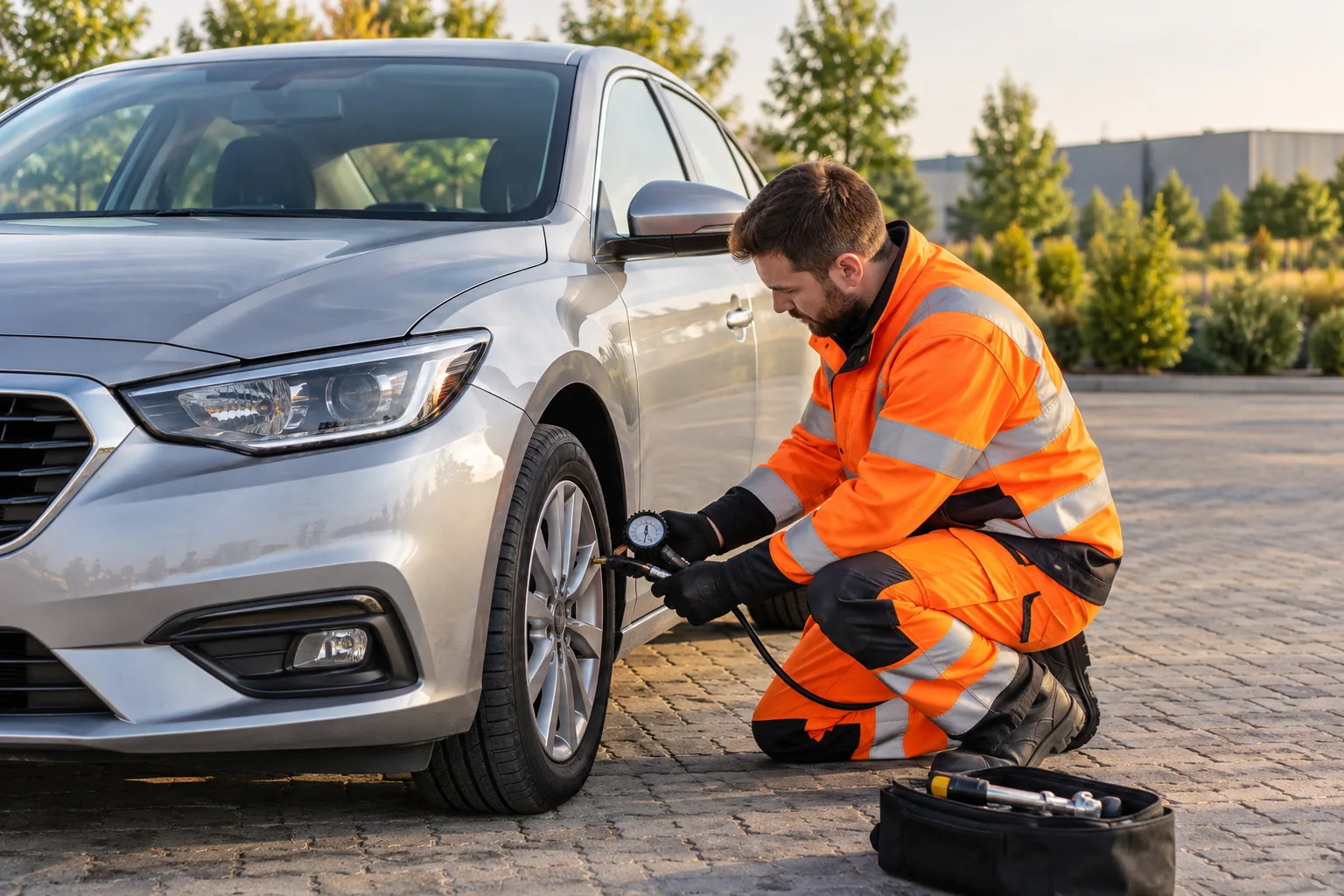
24/7 roadside assistance ↗Call with the location and problem, from a tire issue to a non-starting vehicle.

Understand the service

Understanding a no-start before booking a battery boost

Battery boost assistance concerns a suitable low-voltage starting or support system. The most useful preparation is a clear symptom history and vehicle identification, followed by a plan for assessment if a start does not restore normal operation.

Stored electrical energy and charging are different functions

In a conventional combustion vehicle, the battery stores electrical energy used during starting, while the charging system replenishes it when the vehicle operates. Leaving accessories on or patterns of limited use can contribute to a discharged battery, but battery deterioration or a charging fault can also be involved. These possibilities explain why a successful boost alone does not establish which component needs attention.

A slow or unsuccessful start is therefore a symptom to assess, rather than a battery-replacement diagnosis. A car that fails after being parked and a car that stops while moving have different histories. Repeated need for boosting is a reason to arrange proper assessment instead of relying on another temporary start. Warning messages, recent repairs and the timing of previous failures help the professional decide what to investigate.

The model determines access and the appropriate instructions

Battery location and designated assistance points vary across vehicles, so a visible battery under the hood should not be assumed to be the correct connection location. Give the make, model, year and powertrain, including whether it is a hybrid or electric vehicle. Manufacturer instructions are the reference for the proposed work; an online procedure for a similar-looking car may differ.

Mention aftermarket electronics, accessibility adaptations, a dual-battery installation or commercial equipment that changes the electrical arrangement. These details can affect suitability and the resources needed. If access is also restricted by a garage, locked hood or vehicle position, explain that before the service is accepted. Electrical suitability and physical access both have to work for an on-site boost to be practical.

A successful start still leaves an important follow-up decision

Starting after assistance does not explain why the battery discharged. The next decision depends on the professional assessment, the vehicle's behaviour and the available repair arrangements. Tell the operator if the car has repeatedly needed help, if warnings remain or if it stopped again after an earlier start. Treat those details as reasons to discuss diagnosis rather than plan a succession of boosts.

Before booking, think about where the car could be examined if it remains unreliable. Confirm that the shop accepts the model and can receive a non-running vehicle. Ask the roadside contact whether any checks are included in the quoted visit and what information will be available afterward. Battery testing, replacement, charging-system repair and a tow should each have a clearly understood scope.

Access, attendance and a fallback tow affect the total

A boost at an accessible driveway and a request several levels inside restricted parking can involve different attendance and access requirements. State the parking level, gate arrangements and overhead limit if relevant. Discuss any waiting charge when a keyholder or building representative is required. Clear access information helps avoid a quote based on a straightforward outdoor vehicle that the operator cannot actually reach.

Ask how the visit is charged if the battery is unsuitable for boosting or the vehicle does not start. If transport becomes the agreed next step, confirm the separate towing price, destination and loading requirements. Keep the record of the assistance and describe the result to the workshop. This gives the repair professional useful history without presenting a roadside outcome as a verified diagnosis.

A clearer budget

Understand the cost of this service.

Ask for the price of the actual boost, tire assistance, lockout or fuel request, and whether a tow would be a separate service.

Full towing prices & cost guide ↗

24/7 roadside assistance

Request a quote

Service, vehicle, location and access

Confirm equipment, the scope, the applicable rate schedule and an itemized estimate before authorizing work.

A clear process

Plan the job.
Confirm the next step.

01 /

Describe the symptoms and vehicle

Provide model, location, observed symptoms and any damage, warning messages or previous electrical work.

02 /

Check suitability for assistance

A suitable professional should assess the battery condition and applicable manufacturer instructions before attempting a low-voltage boost.

03 /

Review the outcome

If the issue persists, discuss diagnosis or towing separately. A successful start does not confirm that the underlying problem has been repaired.

Let’s talk about your battery boost.

Share your location, vehicle type and what happened. We’ll talk through the next step.

289-670-3373 ↗

A little clarity goes a long way

Battery boost questions.

Practical answers for the vehicle, equipment and situation.

Ask us about your job ↗
Will a battery boost fix my car?

A boost may help a suitable vehicle with a discharged low-voltage battery start, but it does not establish why the battery discharged or repair a charging, starter or electrical fault.

Can an electric vehicle be boosted?

Some EVs have manufacturer-approved procedures for their low-voltage systems. The exact model and condition must be assessed. Never treat a high-voltage traction battery or damaged high-voltage system as a conventional boosting task.

What if the battery is leaking or looks swollen?

Report the condition immediately and do not attempt a boost yourself. A suspect or damaged battery needs appropriate professional assessment; ordinary jump-start assistance may be unsuitable.

Can you boost a heavy truck battery system?

Provide the truck model and system details for assessment. Voltage, battery configuration and equipment requirements may differ from a passenger car, so availability and suitability need explicit confirmation.

What happens if the vehicle still will not start?

The fault may require diagnosis or repair beyond roadside assistance. Discuss an appropriate receiving shop and a separate towing quote if transport is needed; further attempts should not be assumed.

Can the battery be the issue when lights and radio still work?

Describe what happens when you try to start and any warning messages already shown. Working accessories do not identify the cause of a no-start. Model and battery condition need assessment before a boost is proposed, and another fault may require workshop diagnosis.

My car needed a boost yesterday. Should I book another one?

Explain the repeated no-start and recent battery or repair history. Another boost may not address the underlying issue. Discuss roadside suitability and a destination for diagnosis if the car starts poorly again or cannot continue, rather than assuming repeated boosts resolve the fault.

Can I request a battery boost in an underground garage at night?

Yes, a 24/7 roadside request can include a parked car in a garage. Give the level, bay, gate procedure, height restrictions, model and symptoms. Access, suitable equipment, current availability and pricing must be confirmed for that specific location.

Does a battery boost include supplying a replacement battery?

A boost does not automatically include battery sales, replacement or charging-system repairs. Explain if a replacement is requested so availability and separate work can be discussed. Confirm the intended service and price before assuming the call includes parts.

Keep exploring

More help for your next move.

Hamilton and the surrounding region

Find help in your area.

Let’s get the details right

Big job or small.
Start with a clear quote.

Tell us what needs moving, where it is, and where it needs to go. We’ll discuss the suitable towing method, access, availability and cost before you commit.

289-670-3373hamiltonheavytowing@gmail.com
  • Heavy trucks, commercial fleets & everyday vehicles
  • Hamilton, surrounding communities & Niagara Falls
  • Long-distance transport enquiries welcome

Need urgent help? Call. Online enquiries are not a confirmed booking or dispatch. For an immediate threat to life or a dangerous traffic situation, call 911.

Tell us what you need.

Online enquiries continue by email after saving. For immediate assistance, call 289-670-3373.

After saving, open the prepared email and press Send to deliver your enquiry. For immediate assistance, call. Your details are used to respond to this request. Privacy information.

24/7 roadside assistanceCall 289-670-3373No obligationGet a free quote ↗