The details that make the difference
Plan around the tractor, trailer and repair destination
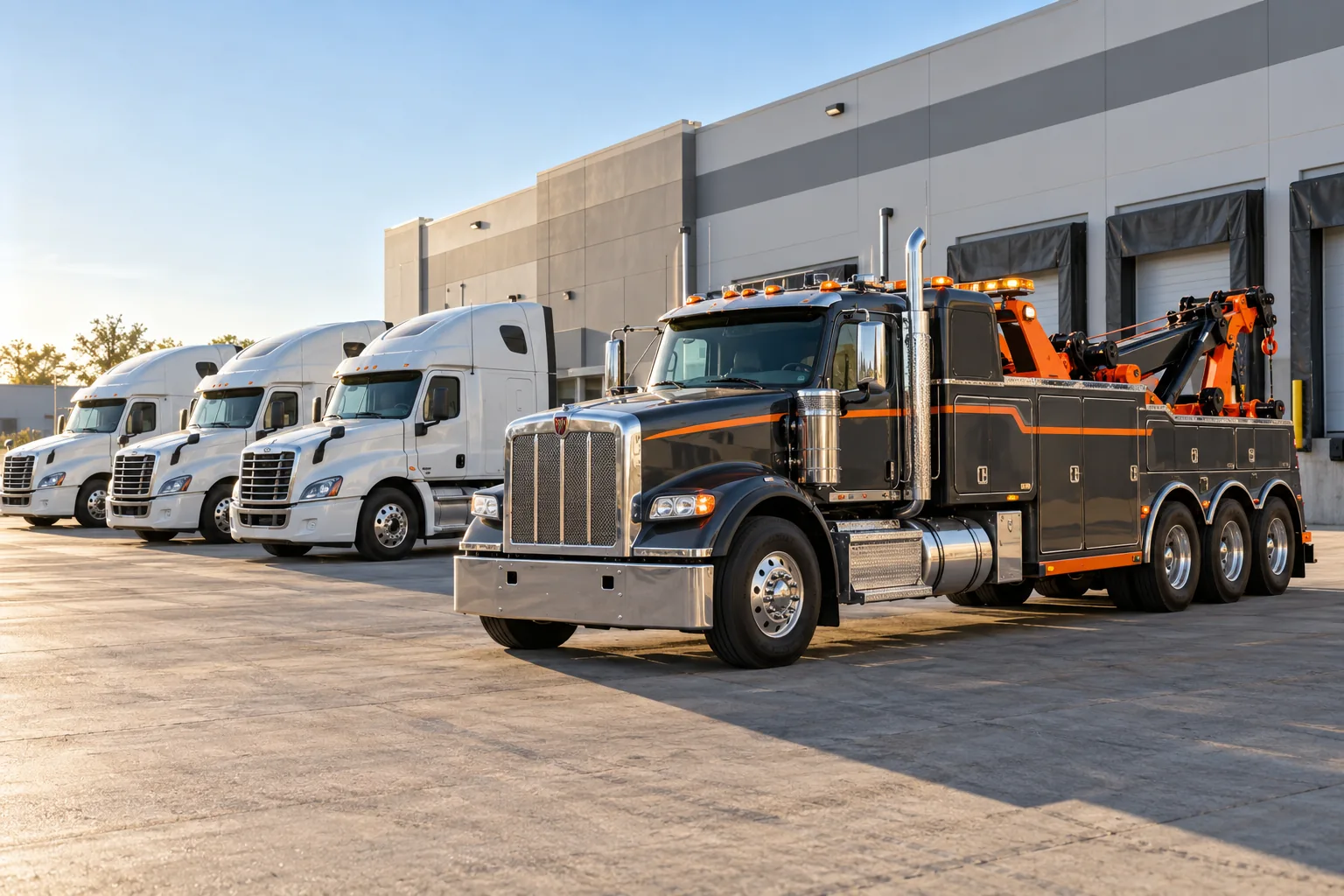
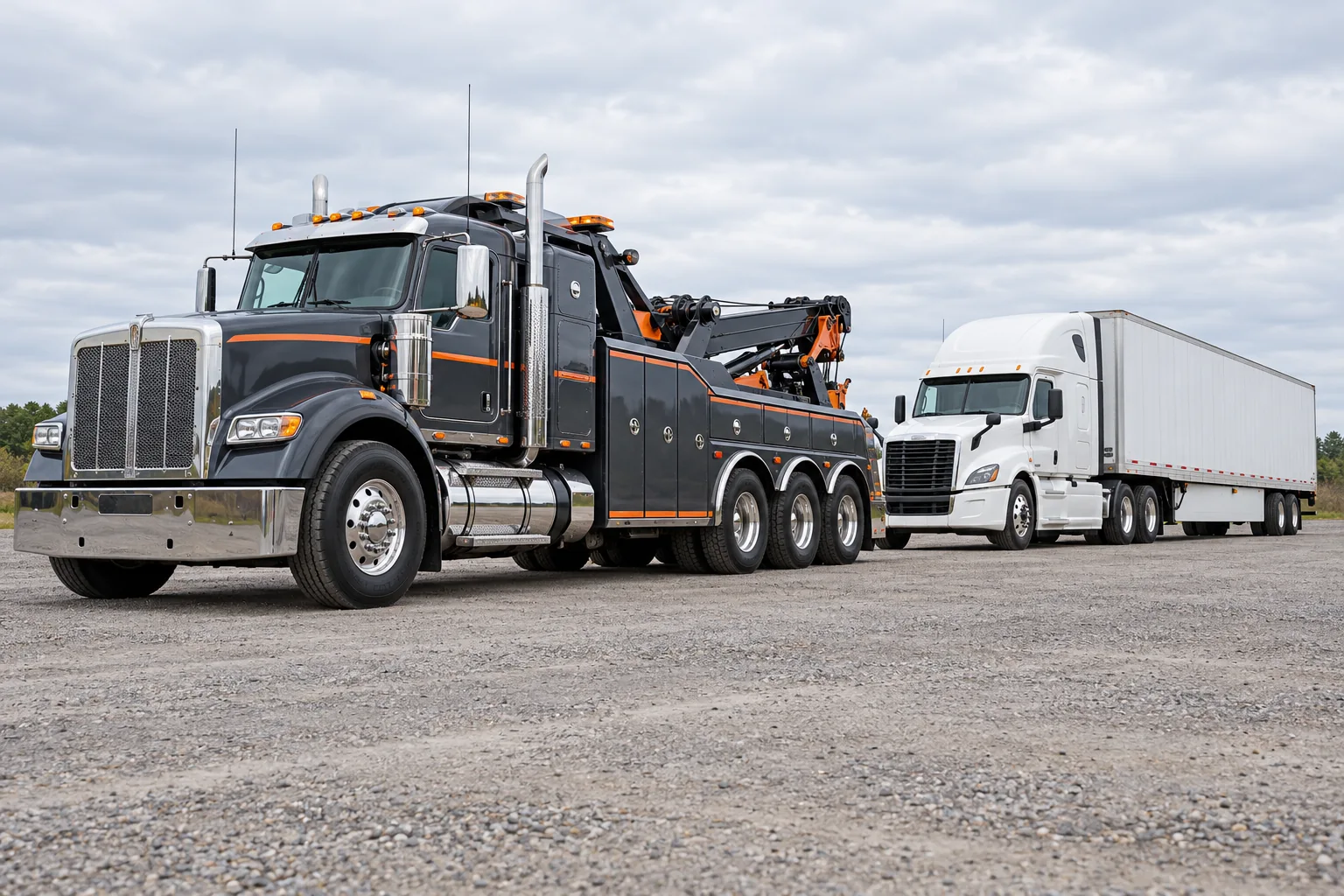
A tractor operating without a trailer presents different questions from a tractor still connected to a loaded combination. The towing assessment should establish the power unit model, sleeper configuration, axle layout, trailer status and any known mechanical restrictions. Information about air supply, driveline concerns or wheel damage helps the operator prepare, but roadside disconnection work belongs with qualified personnel. Fleet managers should also confirm whether the receiving repair shop can accommodate the unit and its arrival window. Choosing a destination before dispatch can reduce unnecessary extra moves and keep the driver, carrier and service facility working from the same plan.
When this service makes sense.
Tractor engine failure
Describe symptoms already observed, any warning messages and whether the vehicle has stopped completely. A towing enquiry is not a remote mechanical diagnosis.
Bobtail tractor relocation
Confirm that no trailer is attached, provide the tractor dimensions and discuss pickup access. Scheduled yard-to-shop moves still require appropriate towing equipment.
Tractor connected to a trailer
State whether the trailer is loaded and whether the carrier has another power unit available. The entire combination needs to be considered before a plan is agreed.
Repair facility transfer
Give both shop addresses, receiving contacts and release instructions. Note any limits on delivery hours, yard access or after-hours vehicle acceptance.
What to share when you call.
- Separate tractor details from trailer and cargo details when requesting assistance.
- A bobtail, day cab and sleeper tractor may need different preparation.
- Report known brake, steering, driveline or wheel problems before equipment is selected.
- Fleet account terms, direct billing and repair arrangements must be confirmed rather than assumed.