24/7 roadside assistance • Hamilton • Burlington • NiagaraNeed a tow? Let’s talk about the job ↗
HAMILTONHEAVY TOWING
MENU ☰

ELECTRIC & HYBRID VEHICLE TRANSPORT

Electric vehicle towing in Hamilton

An electric vehicle that cannot continue needs a transport plan based on the exact model and its condition. Low-voltage power, traction-battery concerns, transport settings and manufacturer towing instructions can all affect the next step. Hamilton Heavy Towing provides electric and hybrid vehicle towing in Hamilton and toward Niagara, with model-specific handling and compatible equipment confirmed before transport. Share the vehicle model, warning messages and whether it can roll or enter the required transport setting. Report collision damage or battery hazards immediately. A routine towing enquiry does not include high-voltage repair, battery handling or mobile charging.

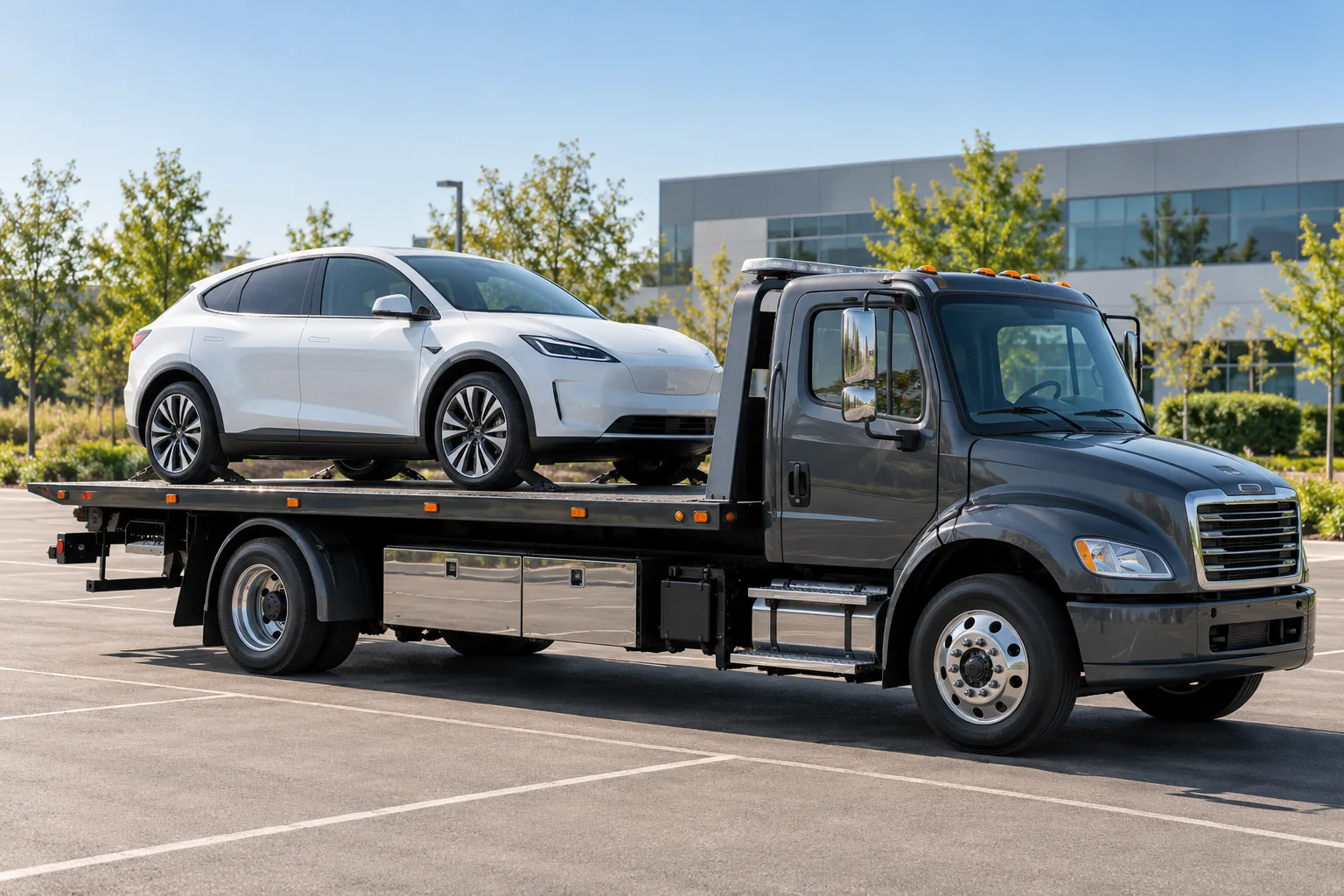
Electric crossover supported on a flatbed tow truck in a modern empty parking lot

The details that make the difference

Manufacturer guidance matters for every EV move

Electric vehicles should not be grouped under one universal towing procedure. An EV with no low-voltage power can present different loading questions from one with an empty traction battery or collision damage. The operator needs the exact model, known condition and manufacturer transport instructions to assess a suitable approach. A flatbed may be appropriate, but loading compatibility, ground clearance and the ability to release the vehicle for movement still require review. A damaged or suspect high-voltage battery needs specialist assessment and may change transport or receiving arrangements. Choose a destination that can accept the vehicle and its actual condition.

When this service makes sense.

Low state of charge

Provide the displayed charge level, model and location. Transport to an appropriate destination can be discussed; roadside charging should not be assumed available.

Low-voltage power problem

Explain symptoms and available manufacturer information. A low-voltage assistance assessment is different from repairing or charging the high-voltage traction battery.

Vehicle will not enter transport mode

Report the issue before equipment selection. Loading a vehicle that cannot roll freely may need additional resources and manufacturer-specific guidance.

Collision or battery concern

Disclose known impact damage, smoke, heat, leakage or unusual battery warnings. Emergency hazards and specialist battery assessment take priority over an ordinary transport booking.

What to share when you call.

  • EV and hybrid towing assessment should use the exact model and manufacturer instructions.
  • Flatbed availability alone does not resolve loading or transport-mode restrictions.
  • High-voltage battery repair, damaged battery handling and mobile charging are not implied.
  • Report impact damage or suspected battery hazards before transport is accepted.
A service request is assessed for the vehicle, conditions and available equipment. Specialist lifting, load handling, unusual dimensions or complex recovery may need additional planning. Call to confirm the scope for your job.

A direct route to the next step

Need electric vehicle towing?

Call 289-670-3373 to talk through the job, or share your vehicle and pickup details here. For roadside assistance, the phone line is available 24/7.

Electric crossover supported on a flatbed tow truck in a modern empty parking lot
Vehicle type, condition and access help determine the towing plan.

Urgent help starts with a call. A saved online enquiry does not dispatch a truck.

Get a free no obligation quote.

Online enquiries continue by email after saving. For immediate assistance, call 289-670-3373.

After saving, open the prepared email and press Send. We use these details to respond to your request. Privacy information.

The vehicle changes. The details matter.

Towing services for your situation.

Explore the service that matches the vehicle and the problem. Each guide explains what to share, what affects the plan and what to ask before authorizing work.

Electric crossover supported on a flatbed tow truck in a modern empty parking lot
Electric vehicle towing ↗Use exact-model towing guidance to discuss a suitable loading and transport method.
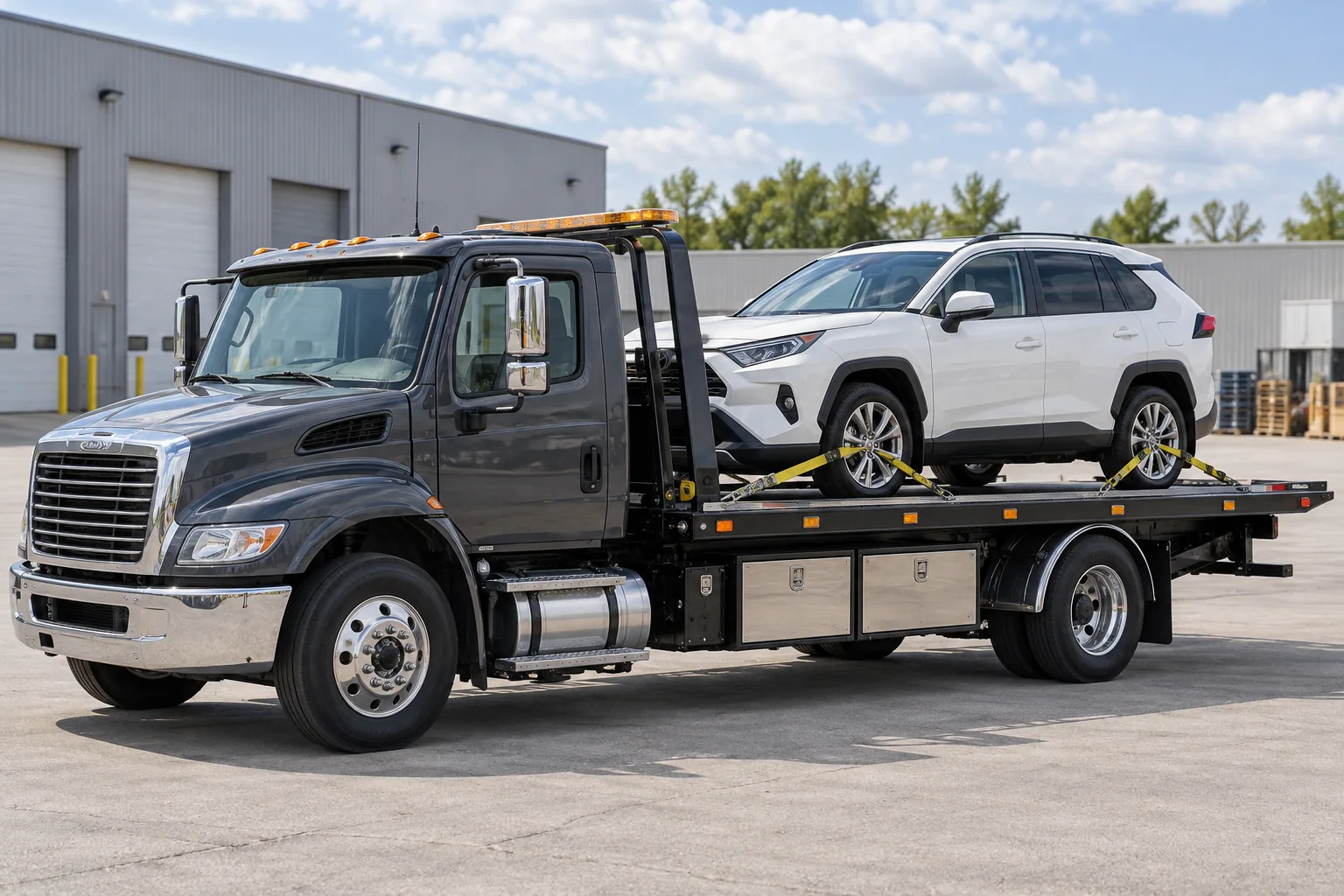
White SUV secured on a flatbed tow truck in a private industrial yard
Flatbed vehicle transport ↗Loading clearance and drivetrain requirements matter before the vehicle moves.
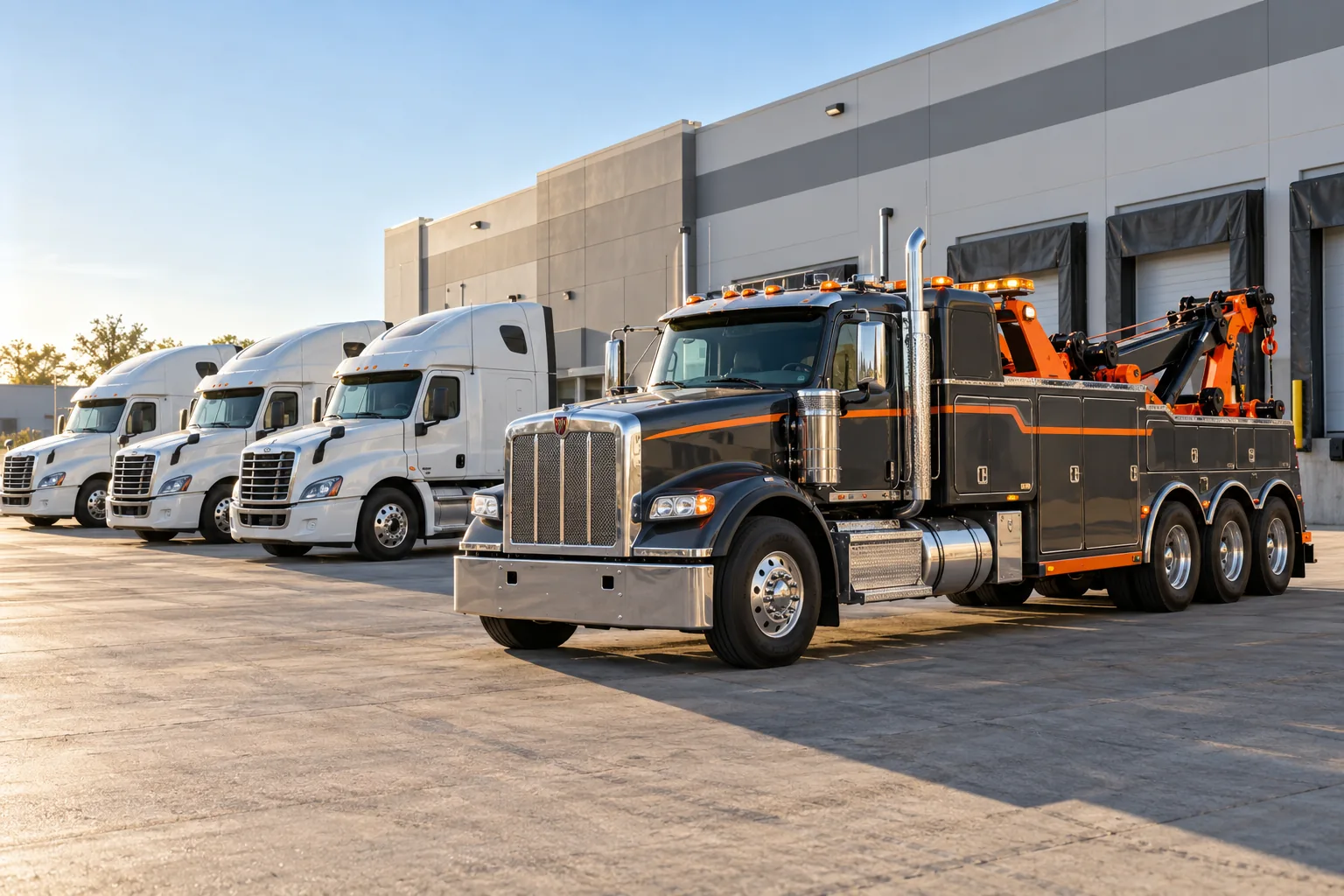
Heavy tow truck and three freight tractors parked at a commercial loading yard
Fleet and commercial transport ↗Coordinate the driver, the authorizing contact and the receiving facility.

Understand the service

Model-specific planning for an electric or hybrid vehicle move

EV transport is easier to plan when the request separates energy level, low-voltage operation, rolling condition and any damage. Those details guide the equipment assessment and help choose a destination that can do more than simply provide a parking space.

The traction system and low-voltage supply have different jobs

An EV has a high-voltage traction system for propulsion and a separate low-voltage supply supporting vehicle controls and access functions. A displayed driving range therefore does not answer every loading question. The traction battery may retain energy while a low-voltage problem prevents normal controls from operating. Conversely, a vehicle may have working locks and screens but insufficient traction energy to continue its journey.

This distinction explains why a conventional boost must never be treated as charging or repairing the high-voltage traction battery. Appropriate low-voltage assistance, if suitable, follows the exact manufacturer instructions and vehicle condition. The transport request should identify the model, year, drivetrain and observed messages, distinguishing an energy shortage from a control or damage concern without requiring the owner to diagnose the underlying fault.

Loading settings do not replace approved road-transport instructions

Some models have a setting intended to release the vehicle for limited loading or repositioning. That setting should not be interpreted as permission to tow the car on its wheels over a road journey. Tesla's current Model 3 transporter instructions distinguish short loading movement from approved transportation and specify model-specific methods. The exact vehicle instructions should be reviewed before the method and resources are accepted.

Tell the operator if the vehicle cannot enter its required loading setting, has locked wheels, has lost key access or remains connected to a charger. These conditions may alter retrieval and loading requirements even when a suitable carrier is available. Equipment compatibility includes the loading stage, vehicle clearance and rolling condition; merely choosing the word flatbed does not answer all of those questions.

Choose between a charging destination and a repair destination

For an out-of-range vehicle, verify the proposed charging site's connector compatibility, access arrangements and current ability to receive the car. Consider where the carrier can unload and whether the vehicle will be positioned for charging. A public charger listing does not guarantee a working stall, an available bay or permission for a truck to stop. The receiving arrangement should be confirmed before transport is approved.

For a warning, collision or persistent fault, a charger may not be the appropriate destination. Ask the repair facility whether it accepts the model and the known condition, including a vehicle that cannot roll or any reported battery concern. Supply a receiving contact and delivery instructions. A repair centre's proximity to a charger does not establish its capability or willingness to handle the particular fault.

Disclose damage and price the complete movement

Impact damage, unusual heat, smoke or suspected battery hazards change the nature of the enquiry and should be reported immediately to the appropriate responders. An ordinary transport booking must not be used to bypass emergency or specialist assessment. Explain any known underbody impact or flooding history to both the transport contact and receiving site rather than assuming that a vehicle which still powers on has no special handling concerns.

For an accepted move, ask whether the quote includes restricted-access retrieval, additional loading resources, waiting and delivery to the agreed location. Missing keys or inability to roll can change the scope, as can a destination that cannot receive the car as planned. Keep model information, the agreed destination and any relevant manufacturer transport reference together so the authorized owner and recipient understand the same plan.

A clearer budget

Understand the cost of this service.

This general passenger-vehicle flatbed reference is not a dedicated EV rate. Model-specific loading, a non-rolling vehicle, battery-related concerns or restricted access can change the scope.

Full towing prices & cost guide ↗

Local flatbed towing

$80–$220

Advertised local flatbed range

Published provider-guide reference in CAD; not our rate schedule or a confirmed quote. Minimum time, travel, mileage, added resources and taxes need confirmation.

Published market source ↗

A clear process

Plan the job.
Confirm the next step.

01 /

Identify the model and condition

Provide make, model, warning information, battery-related concerns and whether the vehicle can roll.

02 /

Review compatible transport

Consider manufacturer instructions, access, clearance and suitable equipment. High-voltage damage requires additional specialist assessment.

03 /

Confirm an appropriate destination

Arrange a charger, authorized repair facility or other receiving site that accepts the vehicle and its condition, with costs and scope agreed.

Let’s talk about your electric vehicle towing.

Share your location, vehicle type and what happened. We’ll talk through the next step.

289-670-3373 ↗

A little clarity goes a long way

Electric vehicle towing questions.

Practical answers for the vehicle, equipment and situation.

Ask us about your job ↗
Does every electric car need the same towing method?

No. Manufacturer transport instructions, drivetrain design and vehicle condition determine suitable handling. Provide the exact model and let the qualified operator review the appropriate approach rather than applying a generic EV procedure.

Can you tow a Tesla in Hamilton?

Tesla vehicle enquiries can be assessed with the model, condition, manufacturer transport guidance and access details. Compatible equipment and current availability must be confirmed; no manufacturer affiliation is implied.

What if the EV has no low-voltage power?

Tell the booking contact before dispatch is discussed. Lack of low-voltage power can affect access, controls and transport settings. Manufacturer-specific assessment is needed, and additional preparation may be required.

Can a damaged EV battery be jump-started?

A high-voltage traction battery is not a conventional boost target. Report suspected damage and seek appropriate emergency or specialist guidance. Any low-voltage assistance must separately follow the vehicle manufacturer’s requirements.

Can the vehicle be delivered to a charging station?

A charging destination can be requested, but confirm the site permits delivery, the equipment suits the vehicle and charging access is actually available. A tow does not guarantee that a charger is operational or unoccupied.

Should I give the EV model year and drivetrain or only the brand?

Provide the exact model, year and drivetrain if known, plus warnings and rolling condition. Transport instructions and controls can vary within a brand. Share manufacturer information already available instead of applying a method seen on a different electric vehicle.

What if the charging cable is connected when the EV fails?

Say that the cable remains connected and identify the home, workplace or public charging location. Do not force a locked connector or improvise electrical work. Access and release need a model-appropriate assessment before transport can be confirmed.

Can an EV with a puncture use roadside assistance instead of towing?

A flat-tire request can be assessed using the model, spare availability, wheel condition and location. Some situations need transport rather than a routine change. Confirm suitable service and handling requirements instead of assuming every EV has an appropriate spare.

What should I confirm before sending an EV to a repair centre?

Check that it accepts the model and fault, can receive a non-running car and has an appropriate delivery area. Disclose suspected battery or collision damage to both contacts. Nearby charging does not establish that a facility can accept or repair the vehicle.

Keep exploring

More help for your next move.

Hamilton and the surrounding region

Find help in your area.

Let’s get the details right

Big job or small.
Start with a clear quote.

Tell us what needs moving, where it is, and where it needs to go. We’ll discuss the suitable towing method, access, availability and cost before you commit.

289-670-3373hamiltonheavytowing@gmail.com
  • Heavy trucks, commercial fleets & everyday vehicles
  • Hamilton, surrounding communities & Niagara Falls
  • Long-distance transport enquiries welcome

Need urgent help? Call. Online enquiries are not a confirmed booking or dispatch. For an immediate threat to life or a dangerous traffic situation, call 911.

Tell us what you need.

Online enquiries continue by email after saving. For immediate assistance, call 289-670-3373.

After saving, open the prepared email and press Send to deliver your enquiry. For immediate assistance, call. Your details are used to respond to this request. Privacy information.

24/7 roadside assistanceCall 289-670-3373No obligationGet a free quote ↗