The details that make the difference
Give the operator details that change the tow
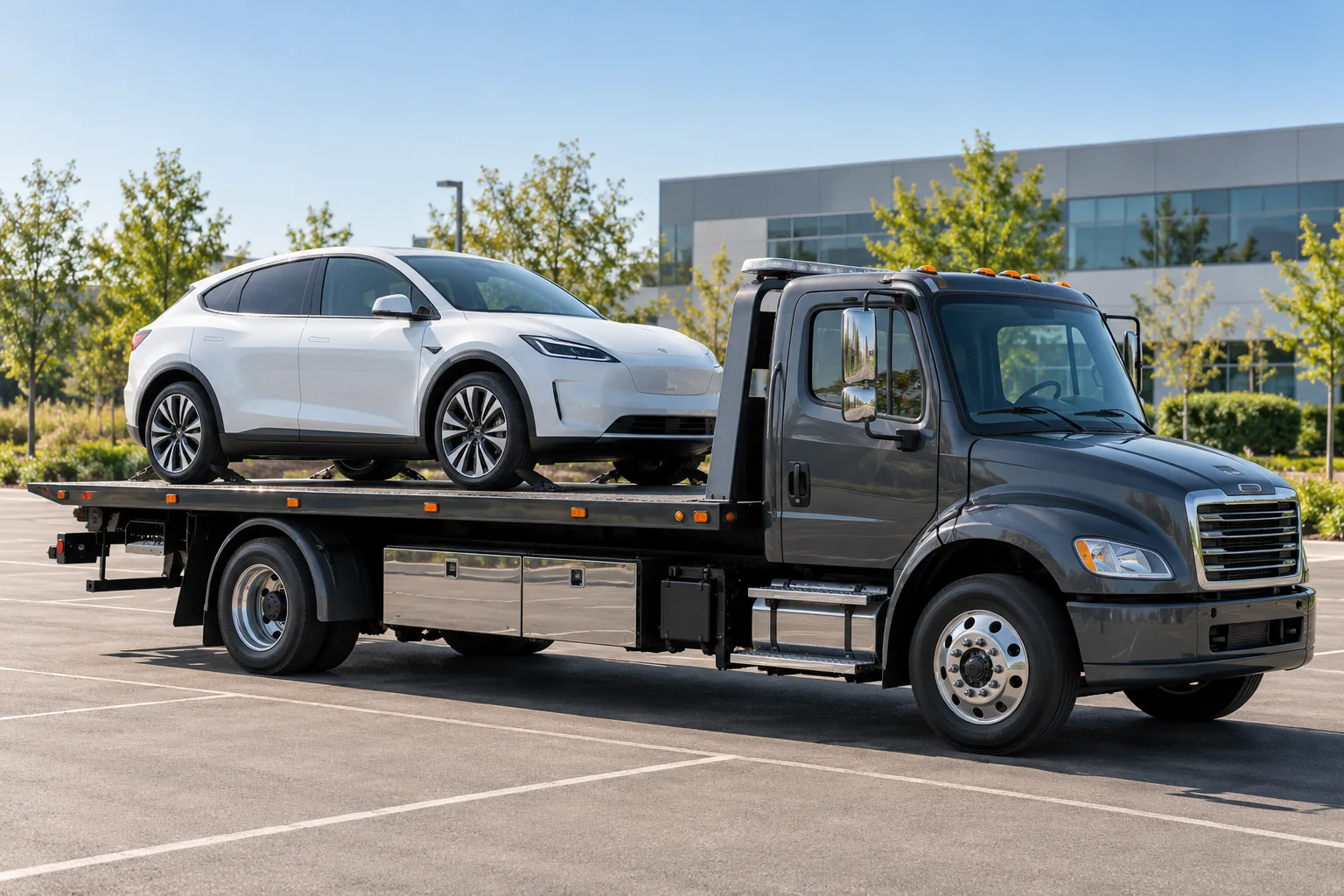
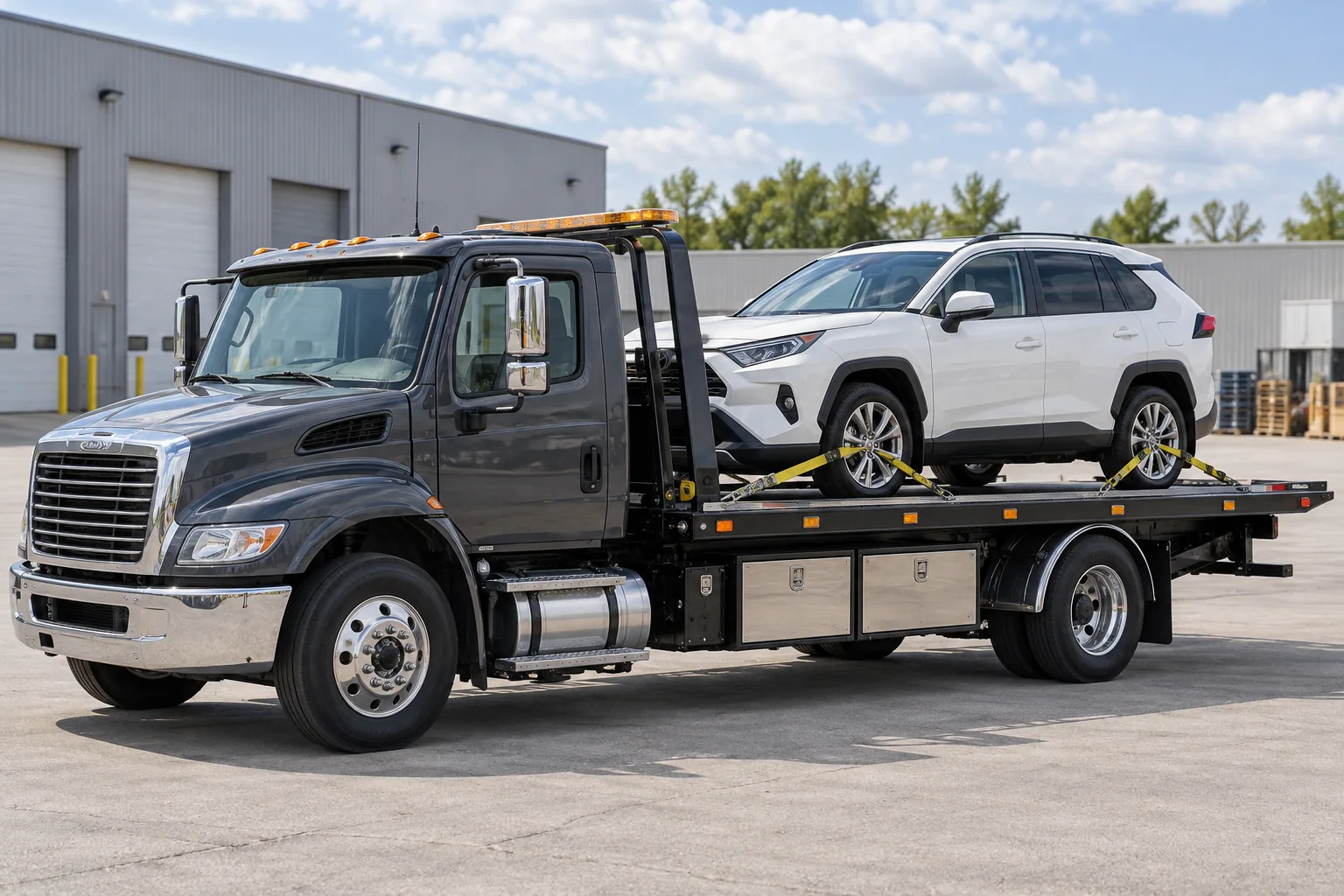
Passenger vehicles can still present complicated towing requirements. A locked steering system, damaged wheel, missing key or underground parking location may change the equipment and preparation needed. A breakdown diagnosis cannot be established from a few symptoms alone, so explain what you know without trying unfamiliar repairs. Choose a repair facility or other authorized destination that can receive the car, and discuss whether the quote includes any extra access or loading work. If a collision has occurred, follow the directions of emergency responders and any applicable reporting process. A towing enquiry should not be used to bypass an active incident response.
When this service makes sense.
Mechanical breakdown
Describe the symptoms already noticed and where the car has stopped. Explain smoke, leaking fluids or collision damage so the request can be assessed appropriately.
Home or driveway pickup
Provide the exact parking position, available space and access restrictions. A vehicle at home can still require special equipment if it cannot roll or steer.
Garage or workshop transfer
Confirm release authorization, keys and the receiving business. Discuss delivery arrangements before moving a car to a closed or crowded workshop.
Collision-related transport
Report known damage and whether responders are managing the scene. Immediate danger and emergency needs take priority over a routine tow booking.
What to share when you call.
- Local car towing requests are assessed by model, condition and pickup access.
- Manufacturer instructions matter for AWD, hybrid, electric and specialty vehicles.
- Keys, release authority and receiving access should be arranged before collection.
- The ability to transport passengers, pets or personal property must be discussed separately.