The details that make the difference
The spare, wheel and location determine the next step
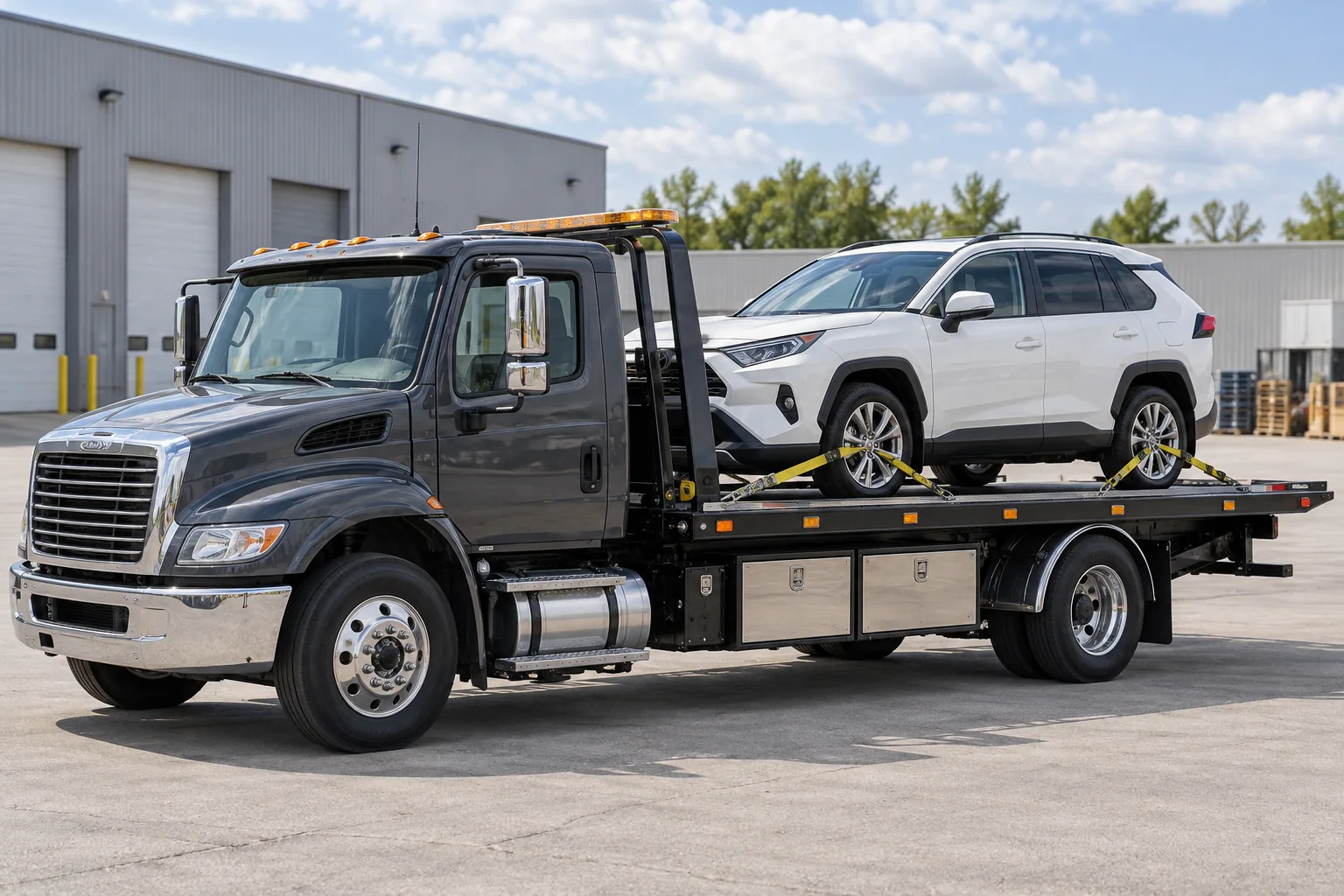
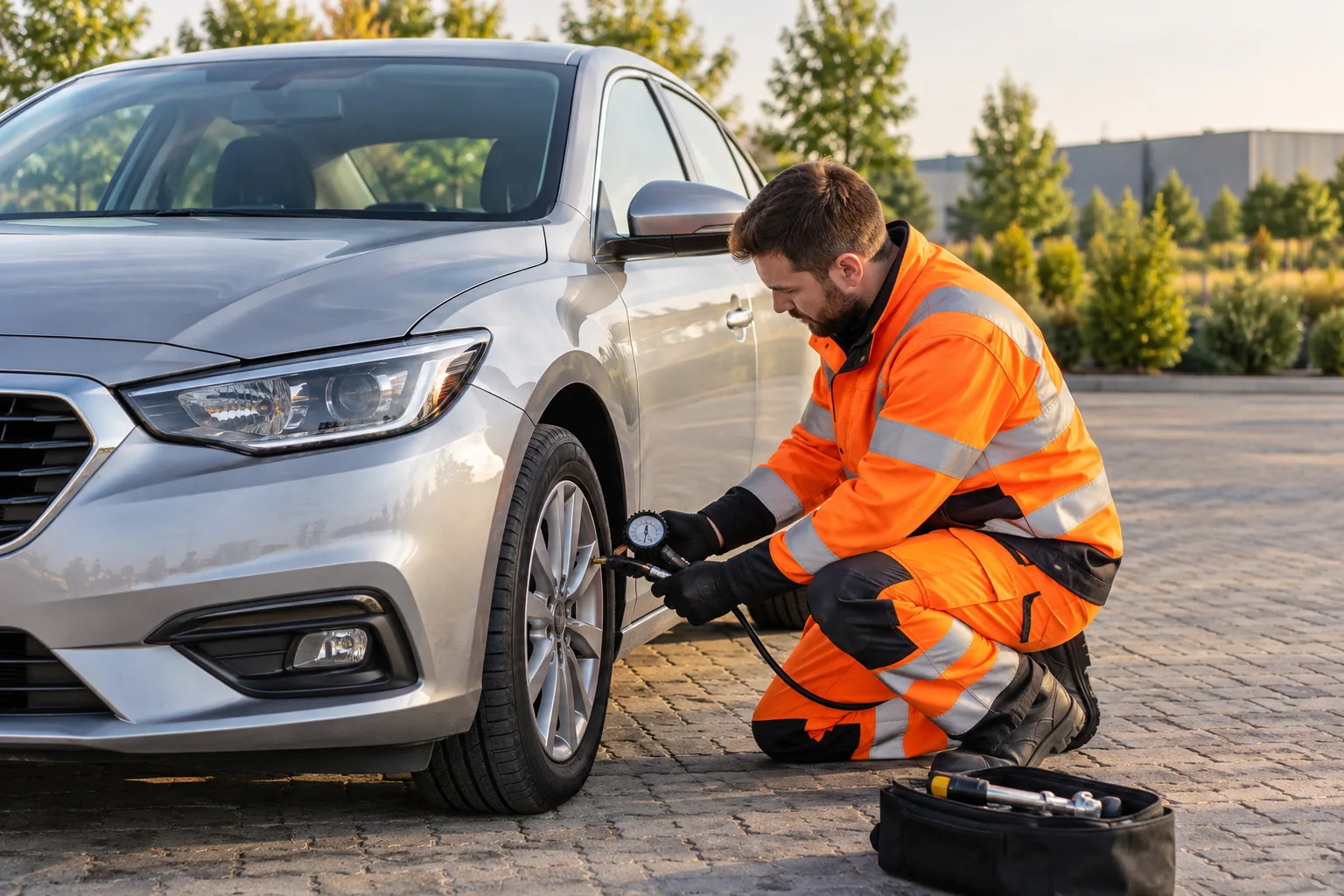
Many vehicles carry a temporary spare, a repair kit or no spare at all. A spare may also be inaccessible, damaged or unsuitable for the affected wheel, so its presence alone does not confirm an on-site solution. Explain the tire damage, any visible wheel damage and whether the vehicle was driven after losing pressure. The operator also needs the make, model and pickup position to assess working conditions and equipment. Tire repair, replacement and heavy commercial tire work are separate from a simple spare-wheel assistance request. If roadside work is unsuitable, a tow to a receiving tire shop can be discussed.
When this service makes sense.
Passenger vehicle with a spare
Explain whether the spare and any locking-wheel key are available. The spare, wheel and working location still require assessment before a change is considered.
No usable spare
Tell the booking contact at the first conversation. Towing to a tire shop may be more appropriate than dispatching assistance that cannot resolve the problem.
Damaged wheel or blowout
Disclose visible rim damage, suspension concerns or multiple affected tires. These conditions may change how the vehicle can be loaded and transported.
Commercial tire enquiry
Identify the truck, axle position and tire configuration. Heavy vehicle tire service requires suitable specialist resources and must not be assumed available.
What to share when you call.
- Spare-wheel assistance is conditional on a suitable spare, vehicle condition and safe working access.
- Tire puncture repair and replacement are not implied by a roadside assistance request.
- Locking-wheel keys, special wheels and modifications should be mentioned in advance.
- Commercial truck tire work requires separately confirmed specialist capability.