The details that make the difference
Start with the problem and the road position
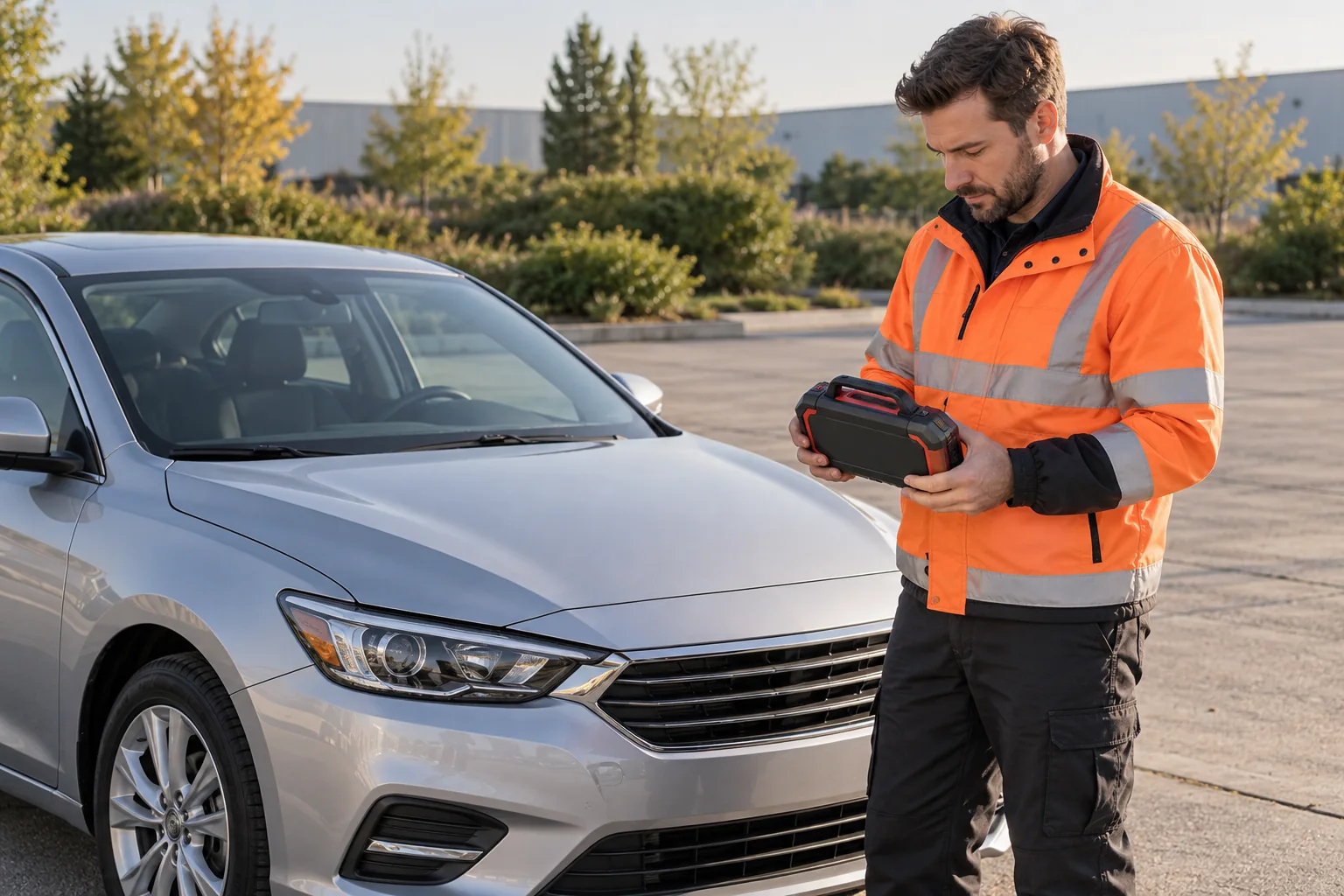
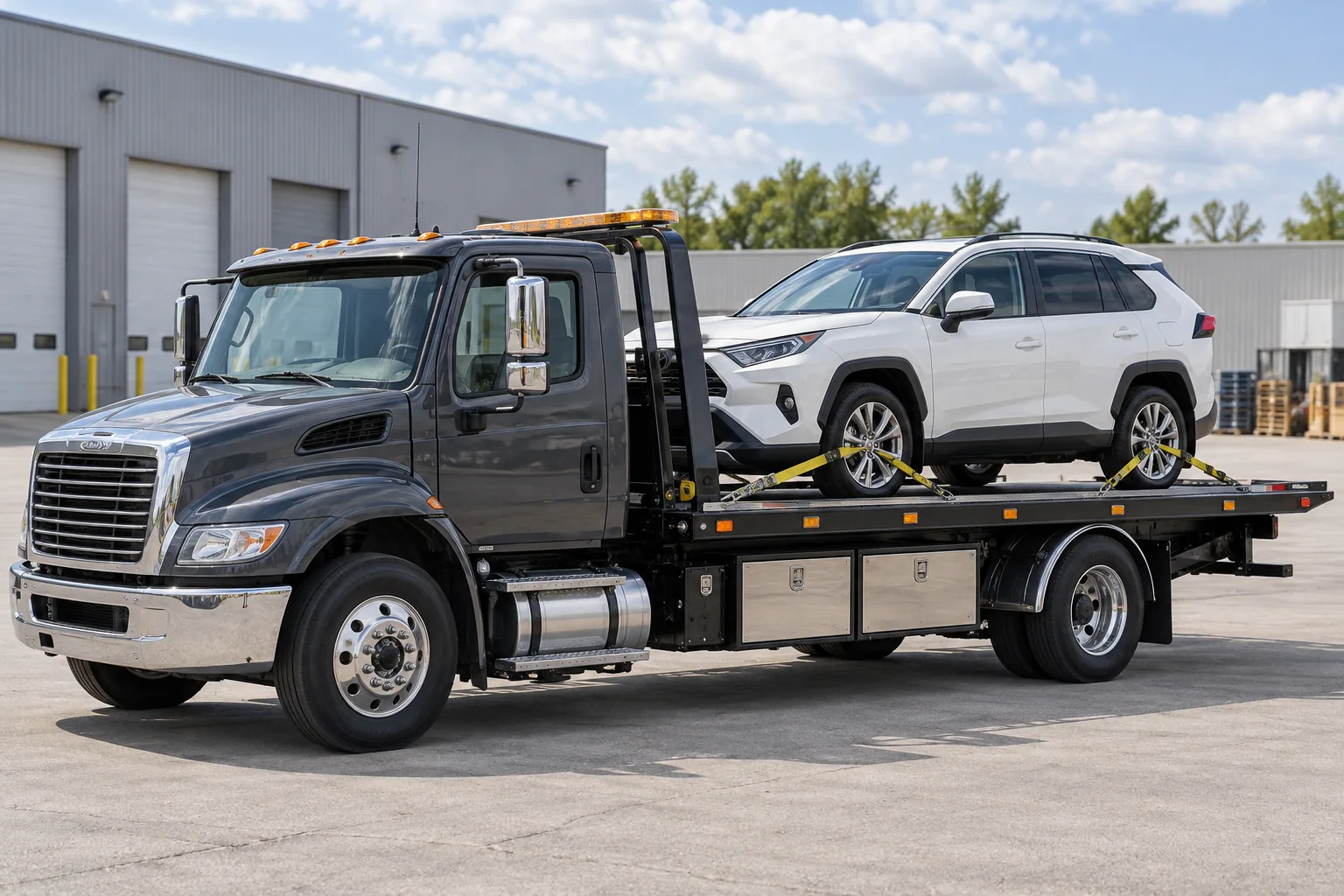
Roadside assistance describes a group of services, not a guarantee that a vehicle can be repaired where it stopped. The first questions are what has happened, whether the location allows work and what the vehicle requires. A boost may not solve a charging-system fault; a flat tire may not have a usable spare; a lockout may require a specialist key service. Provide the vehicle model, known damage and location details so the request can be assessed. If traffic exposure, collision damage or another hazard makes on-site work unsuitable, towing or emergency response may be the more appropriate next step.
When this service makes sense.
Battery or no-start problem
Explain the symptoms and vehicle model. A suspected flat battery is not a confirmed diagnosis, and electrical or starting-system faults may need workshop attention.
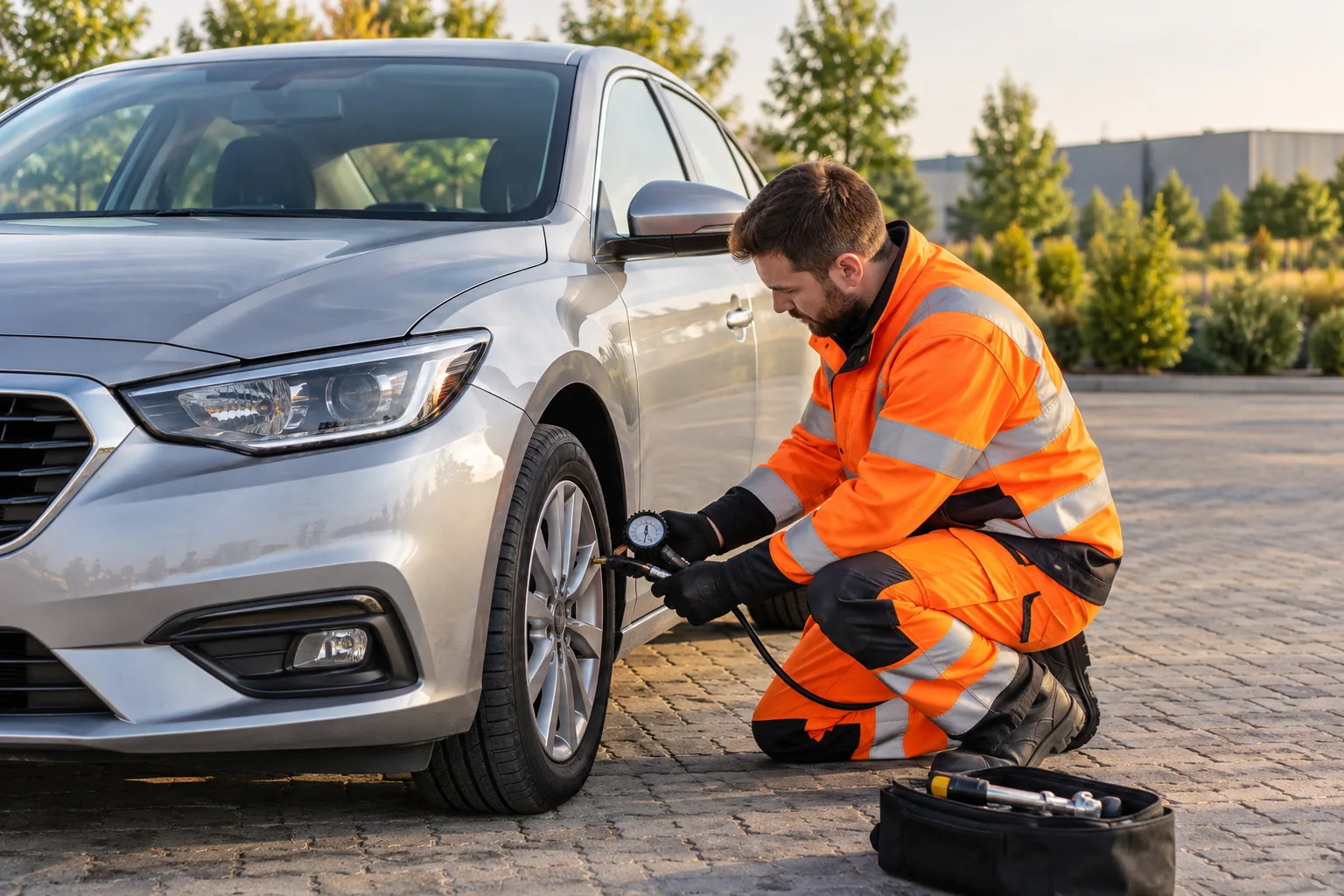
Flat tire request
State whether a spare, key for locking wheel fasteners and required vehicle information are available. Tire condition and scene access must be assessed.
Keys locked inside
Share the vehicle model and where the keys are located if known. Unlocking is different from replacing keys or repairing an electronic access fault.
Low fuel or wrong fuel
Confirm the vehicle’s required fuel and describe what happened. Wrong-fuel incidents need specific advice; do not assume a fuel delivery will resolve them.
What to share when you call.
- Battery, tire, lockout and fuel enquiries each need a vehicle-specific assessment.
- Roadside assistance does not guarantee a repair or a vehicle’s continued roadworthiness.
- Commercial vehicles and specialist systems may require different equipment or personnel.
- If people are in immediate danger, contact emergency services rather than relying on a service form.