The details that make the difference
Bike-specific details improve the transport plan
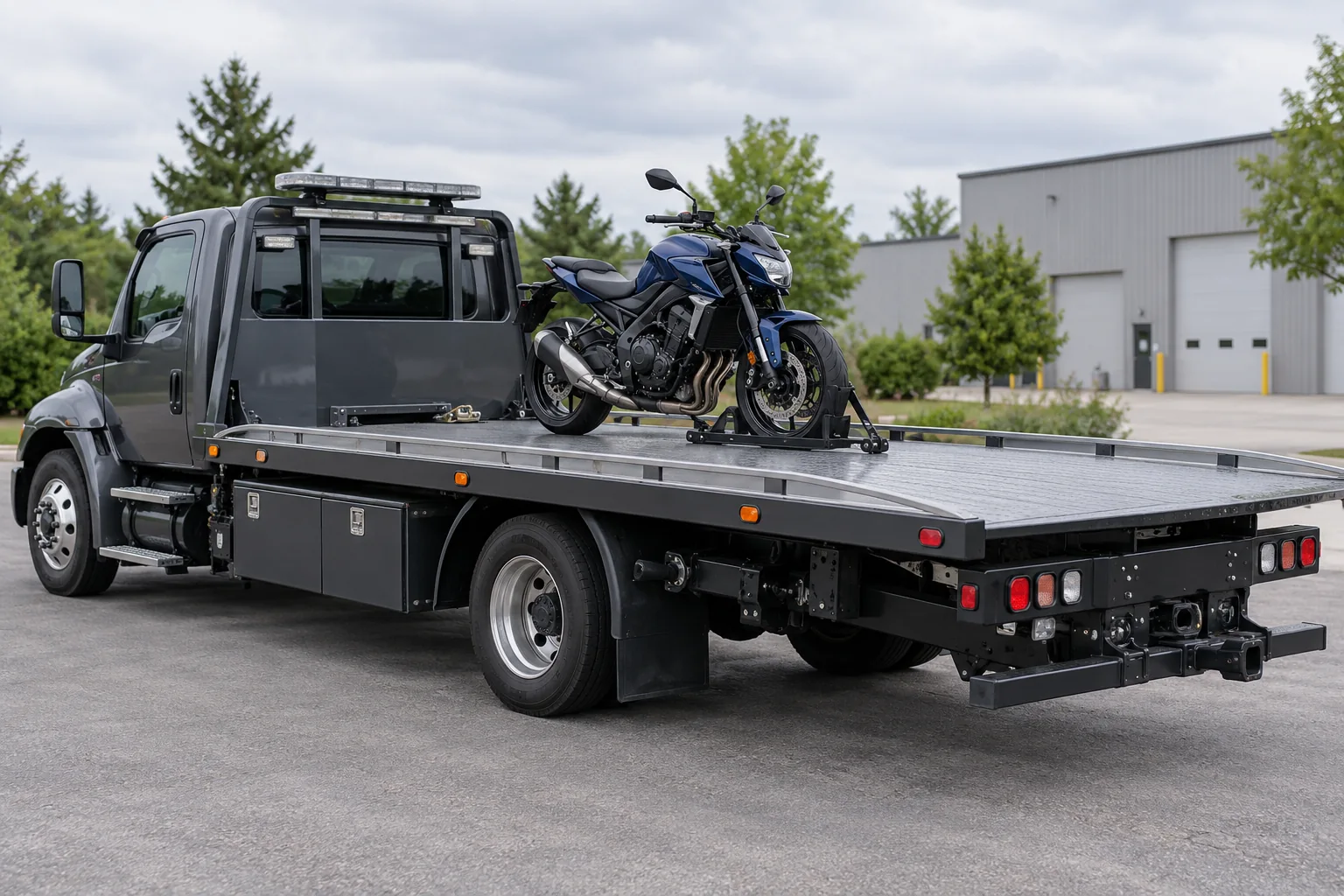
Motorcycle transport is not simply a smaller version of a car tow. Available attachment points, fairings, saddlebags, wheel condition and steering locks can all affect handling. Tell the booking contact about modifications or damage and whether the motorcycle is upright and accessible. A bike in a garage bay presents different loading questions from one at a collision scene. Ask whether the proposed equipment is suitable for the particular motorcycle and agreed route; enclosed transport should never be assumed. For scheduled moves, arrange keys, release authority and a receiving contact so a dealership, storage facility or repair shop is ready for the handover.
When this service makes sense.
Roadside bike breakdown
Share the model, location and issue already observed. Tell the booking contact if the motorcycle cannot roll, steer or remain upright.
Dealer or repair-shop transfer
Provide release and receiving contacts, business hours and key arrangements. Confirm that the destination has agreed to accept the motorcycle.
Storage or seasonal move
Explain access at both locations and the bike’s current condition. A stored motorcycle may have restricted wheels or steering that affect loading.
Damaged motorcycle enquiry
Describe visible damage from a safe position and disclose missing or damaged wheels. Collision recovery and bike transport may require different preparation.
What to share when you call.
- Motorcycle-compatible equipment and securement suitability must be confirmed for each bike.
- Large touring bikes, trikes and modified motorcycles require accurate dimensions and condition details.
- Enclosed transport, multiple-bike capacity and passenger travel are not implied.
- Damaged or non-rolling bikes may need separately assessed loading and recovery work.