24/7 roadside assistance • Hamilton • Burlington • NiagaraNeed a tow? Let’s talk about the job ↗
HAMILTONHEAVY TOWING
MENU ☰

STUCK VEHICLE ASSESSMENT

Winching and vehicle recovery in Hamilton

A vehicle stuck in mud, snow or an awkward roadside position needs an assessment of both the vehicle and its surroundings. Simply pulling harder can create new damage or put people at risk. Hamilton Heavy Towing provides winching and recovery in Hamilton and nearby communities, with equipment and access suitability confirmed for each situation. Describe where the vehicle is, whether it is stable and what prevents it from moving. Include known damage or obstructions. Avoid improvised pulling attempts, and stay away from cables, moving recovery equipment and unstable ground while a professional plan is developed.

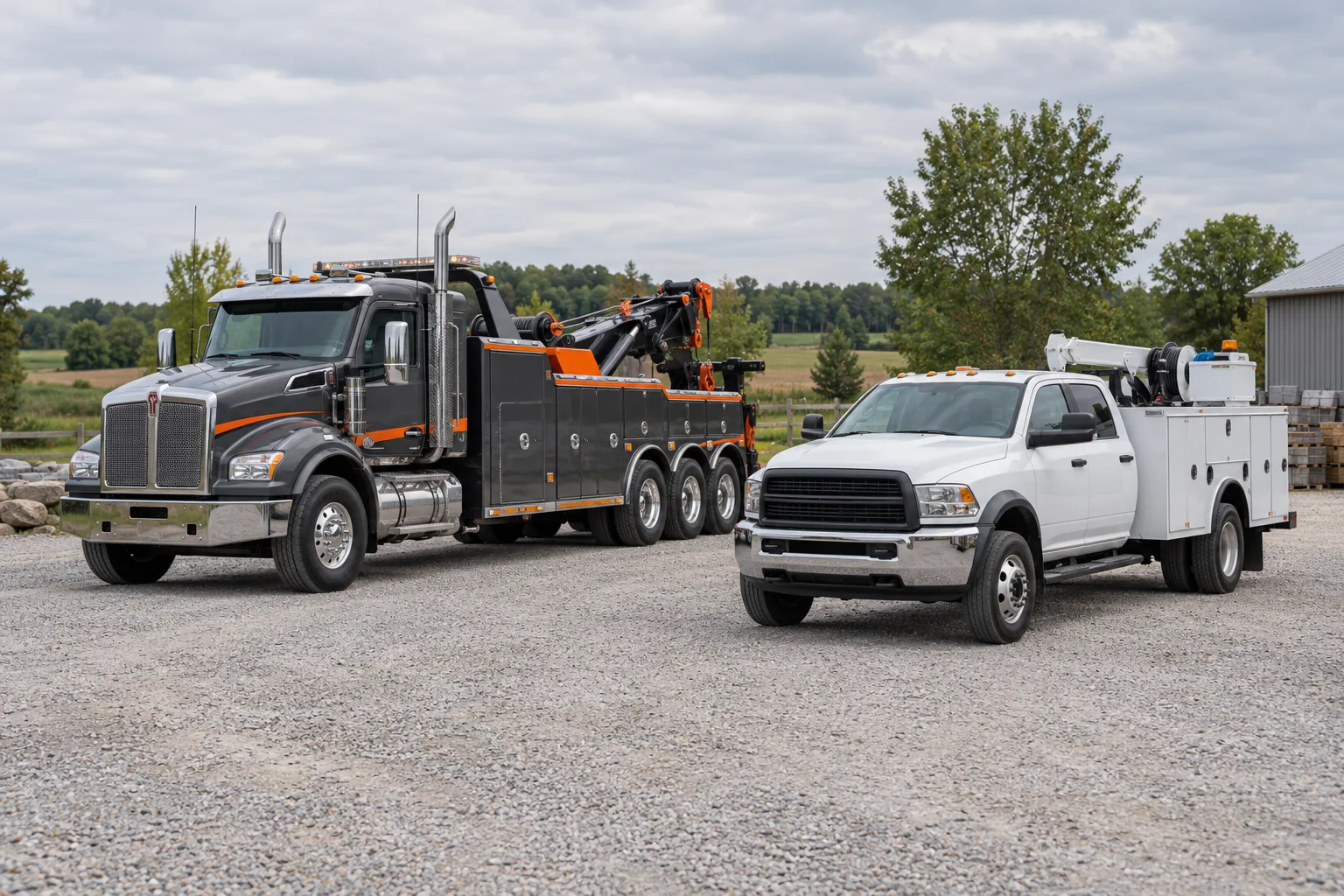
Heavy tow truck and utility truck staged on firm ground in a private rural access yard

The details that make the difference

Ground conditions and access matter as much as vehicle size

A car on a slippery driveway, a pickup in a soft field and a truck in a ditch are different recovery problems. Surface conditions, slope, available access and the vehicle’s orientation influence what equipment and preparation may be needed. Explain whether wheels are buried, the underbody is grounded or the vehicle has been damaged. Do not enter a ditch or traffic area to inspect something you cannot safely see. The booking conversation should establish whether the request is a simple repositioning assessment, a more complex recovery or recovery followed by towing. The price and scope should reflect those differences.

When this service makes sense.

Mud or soft ground

Describe the ground from a safe viewpoint and explain how far the vehicle is from a firm access surface. Avoid further driving attempts that may worsen the situation.

Snow or icy access

Tell the booking contact about grade, snow depth and obstacles already visible. Road and property conditions may affect whether equipment can reach the vehicle.

Ditch or embankment position

Report the road location, vehicle position and any immediate danger. Do not climb down to inspect damage or attach recovery equipment yourself.

Parking or property obstruction

Explain clearance, blocked wheels, nearby structures and who controls the property. Access permission and a suitable working area must be considered.

What to share when you call.

  • Winching availability depends on vehicle position, equipment access and scene conditions.
  • Ditch recovery and heavy commercial recovery may require different resources from a routine stuck-car request.
  • Report previous pulling attempts, damaged wheels and underbody contact when known.
  • Do not stand near recovery lines or attempt to direct the recovery operation.
A service request is assessed for the vehicle, conditions and available equipment. Specialist lifting, load handling, unusual dimensions or complex recovery may need additional planning. Call to confirm the scope for your job.

A direct route to the next step

Need winching and vehicle recovery?

Call 289-670-3373 to talk through the job, or share your vehicle and pickup details here. For roadside assistance, the phone line is available 24/7.

Heavy tow truck and utility truck staged on firm ground in a private rural access yard
Vehicle type, condition and access help determine the towing plan.

Urgent help starts with a call. A saved online enquiry does not dispatch a truck.

Get a free no obligation quote.

Online enquiries continue by email after saving. For immediate assistance, call 289-670-3373.

After saving, open the prepared email and press Send. We use these details to respond to your request. Privacy information.

The vehicle changes. The details matter.

Towing services for your situation.

Explore the service that matches the vehicle and the problem. Each guide explains what to share, what affects the plan and what to ask before authorizing work.

Heavy tow truck and utility truck staged on firm ground in a private rural access yard
Winching and recovery ↗Describe the ground conditions and vehicle position without approaching an unsafe scene.
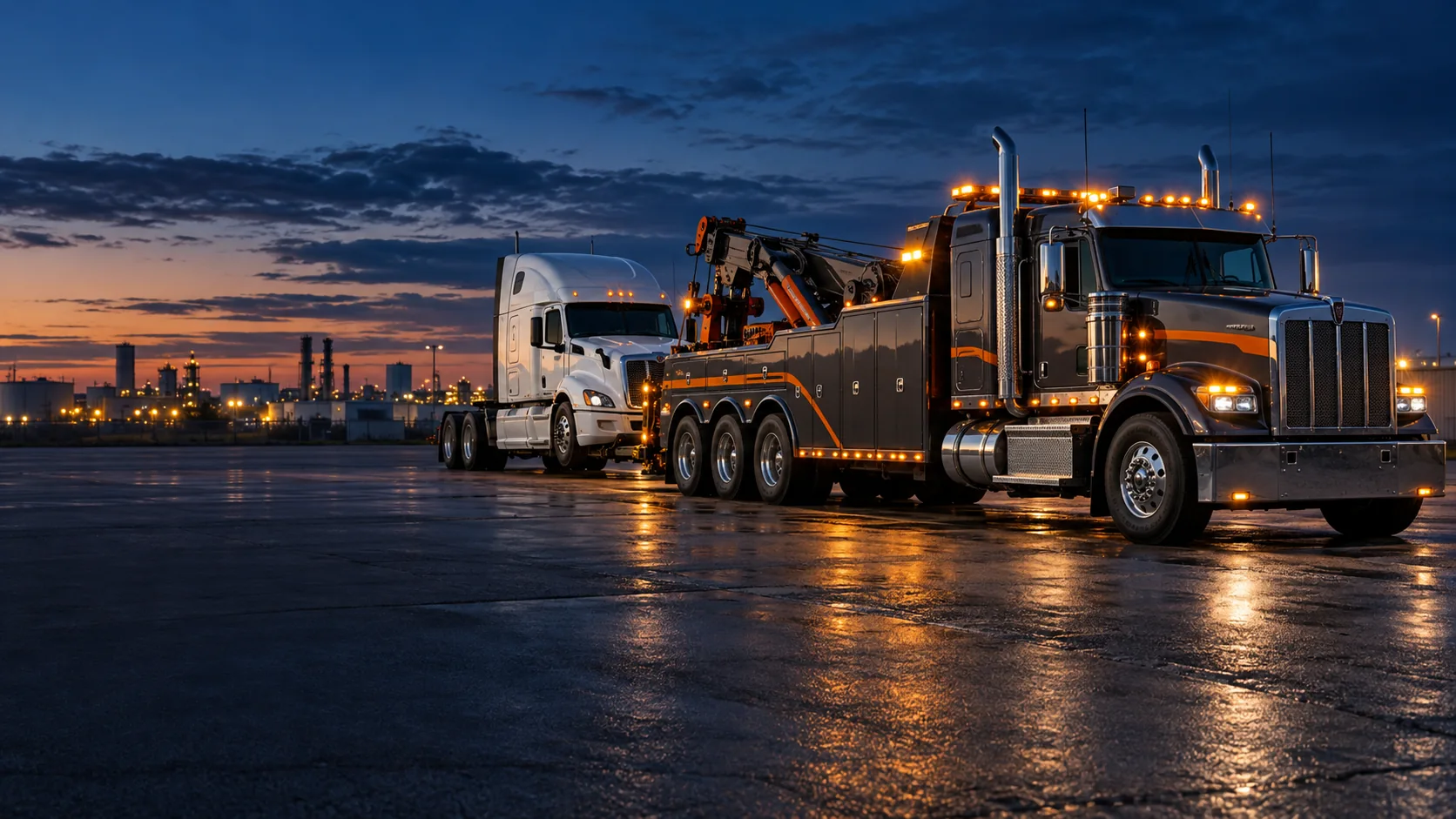
Heavy-duty wrecker and white semi tractor parked in an industrial yard at dusk
Heavy truck towing ↗Weight, configuration and vehicle condition shape the heavy towing plan.
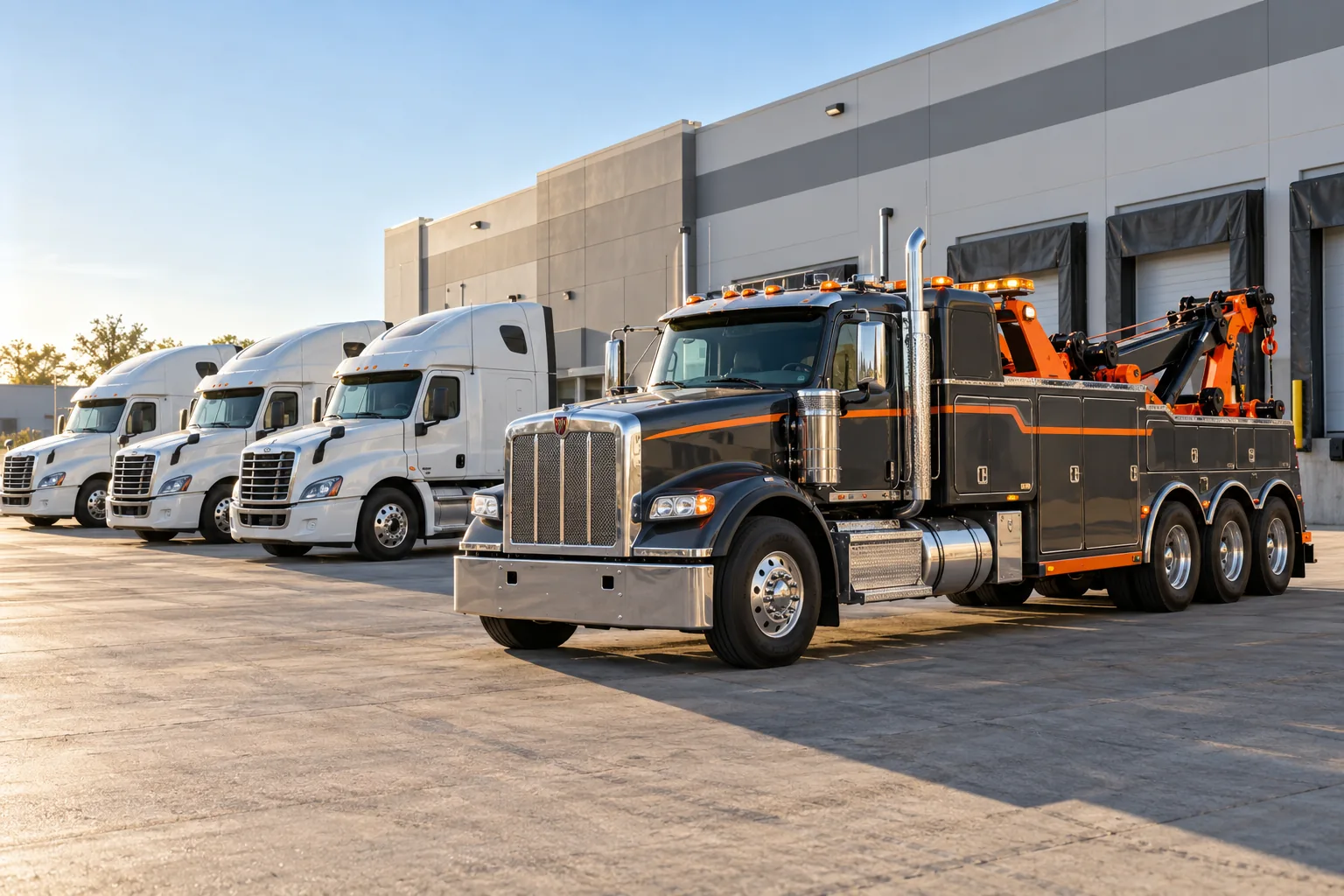
Heavy tow truck and three freight tractors parked at a commercial loading yard
Fleet and commercial transport ↗Coordinate the driver, the authorizing contact and the receiving facility.

Understand the service

Explain why the vehicle is stuck and what access is available

A useful winch-out enquiry describes the vehicle’s position and the surroundings without attempting a recovery. The difference between traction loss, a grounded vehicle and incident damage helps define what needs assessment and whether onward towing may also be required.

The word stuck can describe several different conditions

Loss of tire traction and physical grounding are different reasons for a vehicle to become stuck. On a slippery surface, the wheels may lack grip; in soft ground, the vehicle may sink or rest on its underbody; beside an obstruction, its path may be blocked even if the wheels can turn. These conditions create different resistance to movement, so a vehicle’s weight alone does not describe the recovery problem.

Report earlier attempts to move it and any change in position or visible damage. That history helps the professional understand the condition now being assessed; it should not be concealed because the first attempt seemed minor. Do not keep testing the vehicle to provide a better description. Continuing movement or improvised pulling can change the situation, so leave the setup and method to the qualified person assessing the scene.

Access includes the route and a workable equipment position

A winch-out needs a suitable place for recovery equipment as well as a route to the vehicle. Soft ground, a steep approach or restricted space may prevent equipment from using the same path the stranded vehicle followed. A nearby road on a map does not establish practical access. Gates, narrow lanes and intervening property can matter even when the vehicle appears close to an accessible surface in a photograph.

Weather and recent ground changes can make an old description unreliable. Explain current conditions from the information safely available, such as recent flooding, snow cover or softened ground, without walking into an uncertain area to measure it. The route that a passenger car used to enter may not support recovery equipment. Access and equipment position must be assessed together before anyone can confirm that a proposed recovery is workable.

Vehicle design still matters during a short recovery

Recovery connections, transport tie-down points and a vehicle’s visible hitch are not interchangeable assumptions. The appropriate attachment and handling depend on the vehicle, equipment and situation being assessed. Low bodywork, modified suspension, a trailer or a loaded work body can add further constraints. That is why a short recovery still needs the exact vehicle and present condition, and why an improvised connection is not a useful preparation step for the owner.

For an electric vehicle or a vehicle with reported underbody impact, tell the booking contact immediately and share applicable manufacturer information already available. Recovery from the present position and transportation afterward are separate decisions, each affected by the model and condition. Do not assume that a visible towing eye, hitch or other attachment is an approved recovery point, and do not fit improvised connections while waiting for professional assessment.

Agree what happens when the vehicle is accessible again

A recovered vehicle may still need inspection or towing because the reason it became stuck or the condition afterward remains uncertain. Discuss that possibility before work begins, particularly if it has collision damage, a wheel problem or a mechanical fault. Provide a preferred receiving location if one is available. The operator’s recovery assessment should not be treated as a workshop diagnosis or a promise that the vehicle can complete the original journey.

Ask the estimate to distinguish recovery work from any onward tow and to explain how added time or additional resources would be approved. If a destination is chosen later, confirm its acceptance and the revised scope before assuming transport is included. A clear plan can also address who will receive the vehicle if the owner cannot remain nearby. This makes the request easier to assess without reducing a variable recovery situation to a fixed distance or a universal winch-out price.

A clearer budget

Understand the cost of this service.

The regional semi/trailer recovery range below gives context for heavy-vehicle recovery enquiries. It does not price every car winch-out, freight transfer or load-handling request. Vehicle position, load and equipment determine your quote.

Full towing prices & cost guide ↗

Semi-truck & trailer recovery

$250–$500/hour

Regional advertised budget guide · recovery work

Published provider-guide reference in CAD; not our rate schedule or a confirmed quote. Minimum time, travel, mileage, added resources and taxes need confirmation.

Published market source ↗

A clear process

Plan the job.
Confirm the next step.

01 /

Describe the position

Provide vehicle details and an accurate location, plus observations available without approaching an unsafe area.

02 /

Assess access and required equipment

Review the surface, slope, obstacles and potential vehicle damage. Confirm whether suitable recovery resources are available.

03 /

Agree recovery and next steps

Clarify the requested recovery, pricing basis and whether the vehicle also needs towing after assessment.

Let’s talk about your winching and vehicle recovery.

Share your location, vehicle type and what happened. We’ll talk through the next step.

289-670-3373 ↗

A little clarity goes a long way

Winching and vehicle recovery questions.

Practical answers for the vehicle, equipment and situation.

Ask us about your job ↗
Can a tow truck pull a car out of mud?

Some situations are suitable for professional winching, but access, ground conditions, vehicle position and available equipment must be assessed. A photo and clear location can help when safely obtained.

Does winching mean the car must be towed afterward?

Not necessarily. Recovery and roadworthiness are separate questions. If there is damage, a mechanical concern or uncertainty about safe operation, a towing or repair assessment may still be needed.

Can you reach a vehicle in a field?

The distance from accessible ground, surface strength, slope and property permission all matter. Equipment cannot be promised without reviewing the location and conditions.

Should I attach my own tow strap first?

Do not improvise recovery connections or pulling attempts. Incorrect attachment, equipment failure and vehicle movement can cause serious harm. Leave recovery setup to the qualified operator after assessment.

What affects the cost of a winch-out?

Access, position, terrain, equipment, time, damage and the need for onward towing influence the scope. A vehicle described simply as stuck may require very different work from another stuck vehicle.

What if the vehicle is stuck behind a gate or down a private lane?

Give the gate location, access authorization, lane width and distance from accessible ground to the vehicle. Mention obstructions, slopes and surface conditions. Permission and a workable equipment position must be established before the recovery can be confirmed.

Does having a tow hitch mean my vehicle is ready to be pulled out?

Do not assume a visible hitch or attachment is appropriate for recovery. Tell the operator about the vehicle and position, then leave connection choice and setup to the professional. Improvised attachments or another vehicle pulling can create additional damage and hazards.

Should I explain how the vehicle became stuck?

Yes. Say whether it slid, sank, left the road or stopped at an obstruction, and disclose previous pulling attempts. That history can highlight damage or changed conditions without anyone moving or inspecting the vehicle unsafely. It also helps distinguish retrieval from a separate mechanical problem.

Can I book a winch-out before choosing a repair shop?

You can discuss recovery first, but agree what happens if the vehicle cannot be driven afterward. An authorized receiving location may be needed. Ask for recovery charges and any onward tow to be explained separately so both possible stages are understood.

Keep exploring

More help for your next move.

Hamilton and the surrounding region

Find help in your area.

Let’s get the details right

Big job or small.
Start with a clear quote.

Tell us what needs moving, where it is, and where it needs to go. We’ll discuss the suitable towing method, access, availability and cost before you commit.

289-670-3373hamiltonheavytowing@gmail.com
  • Heavy trucks, commercial fleets & everyday vehicles
  • Hamilton, surrounding communities & Niagara Falls
  • Long-distance transport enquiries welcome

Need urgent help? Call. Online enquiries are not a confirmed booking or dispatch. For an immediate threat to life or a dangerous traffic situation, call 911.

Tell us what you need.

Online enquiries continue by email after saving. For immediate assistance, call 289-670-3373.

After saving, open the prepared email and press Send to deliver your enquiry. For immediate assistance, call. Your details are used to respond to this request. Privacy information.

24/7 roadside assistanceCall 289-670-3373No obligationGet a free quote ↗