The details that make the difference
Understand the move before the vehicle leaves
Collision transport can involve more than collecting a car from the curb. Damaged wheels, leaking fluids, deployed safety systems or a restricted road position may affect loading and receiving arrangements. The vehicle may also need assessment before anyone can judge whether ordinary transport is appropriate. Explain known damage and whether emergency services or a road authority are controlling the scene. Discuss the destination, any storage proposal and who can authorize the move. Ask for a clear explanation of the charges and required documents. Insurer involvement does not automatically establish coverage, direct billing or permission for every proposed service.
When this service makes sense.
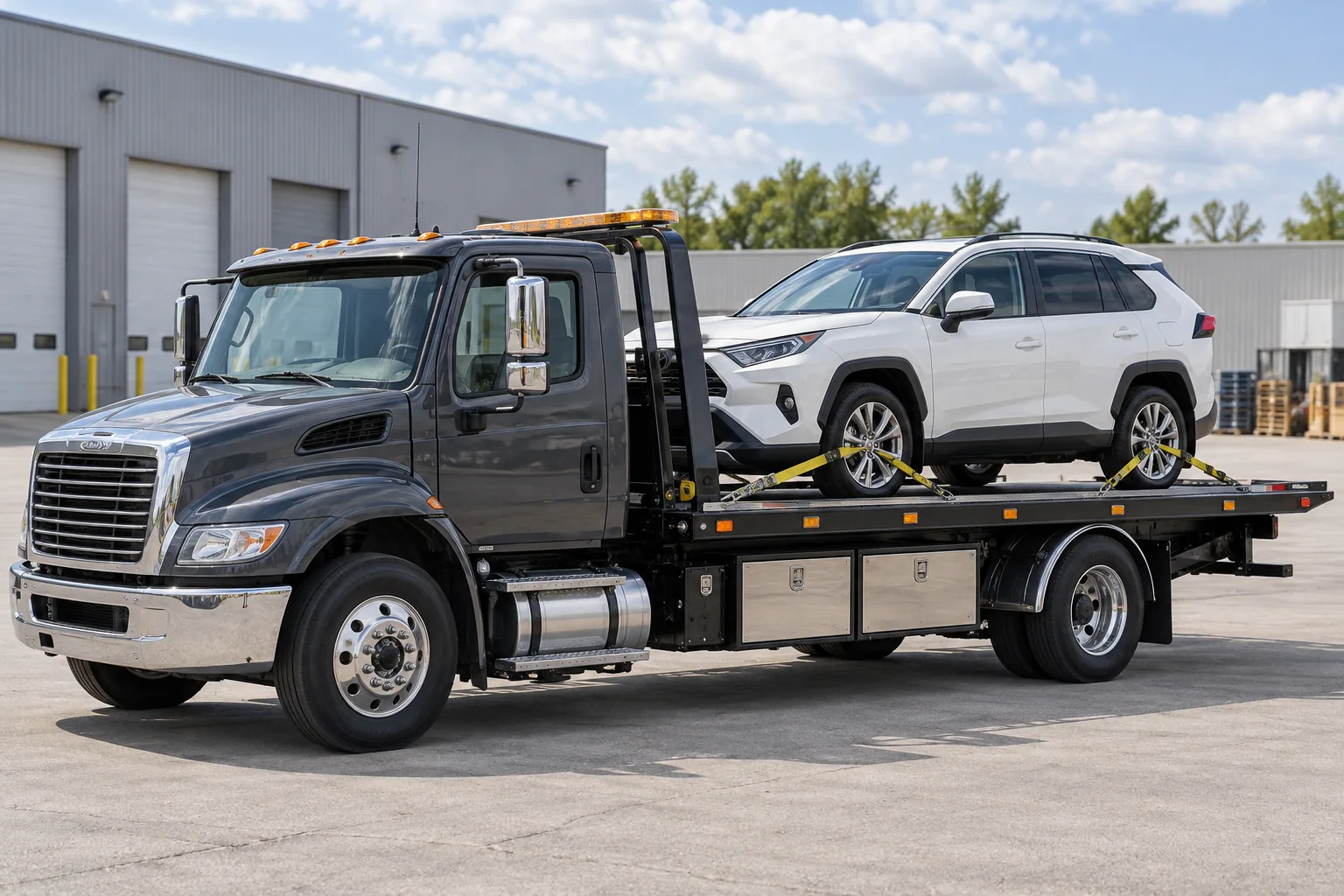
Collision-damaged passenger vehicle
Describe the wheel, body or steering damage already visible. The operator needs the actual condition to assess loading rather than a general statement that the car was in an accident.
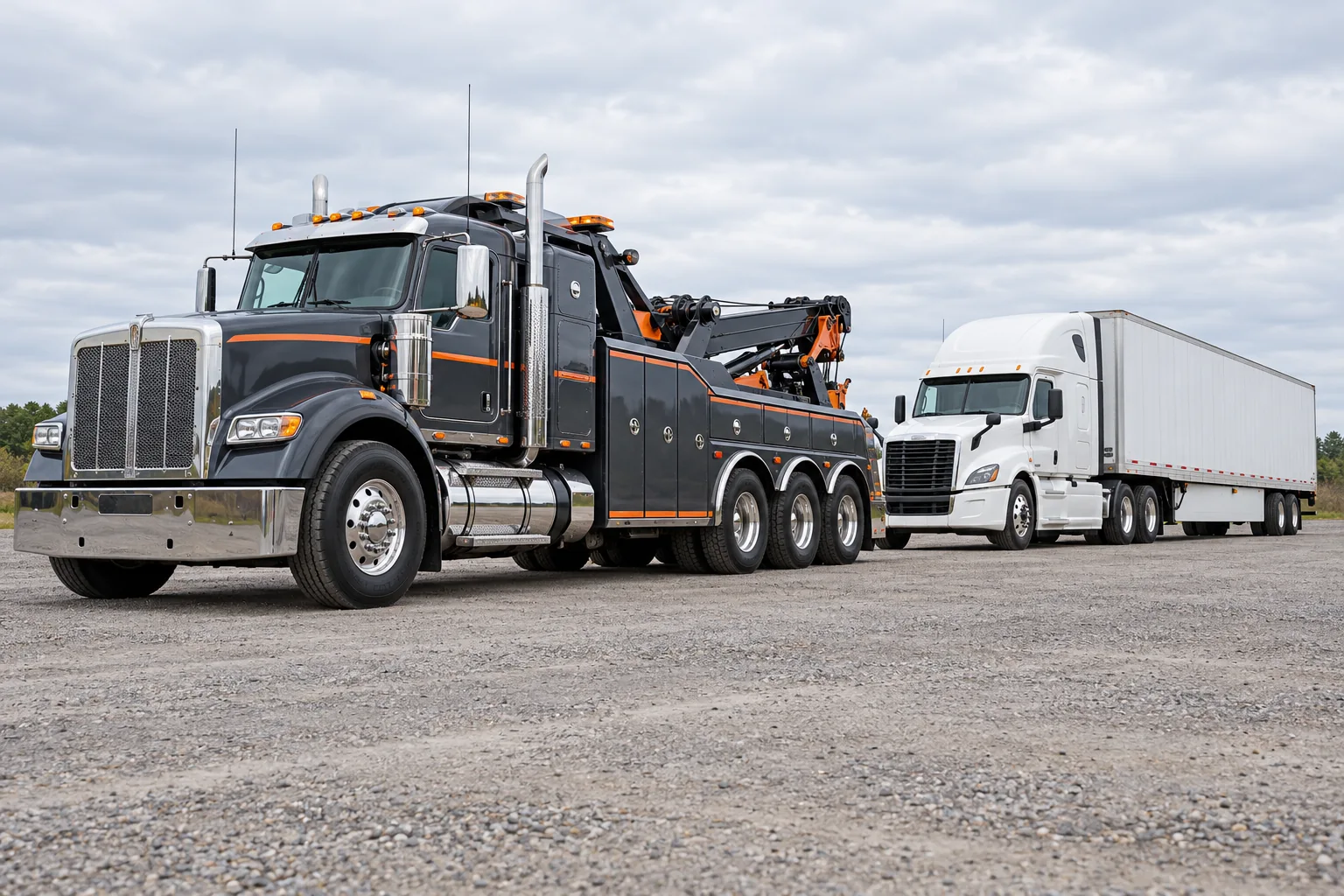
Commercial vehicle collision
Provide the vehicle configuration, cargo status and carrier contact. Recovery, cargo handling and onward towing may require different resources and separate authorization.
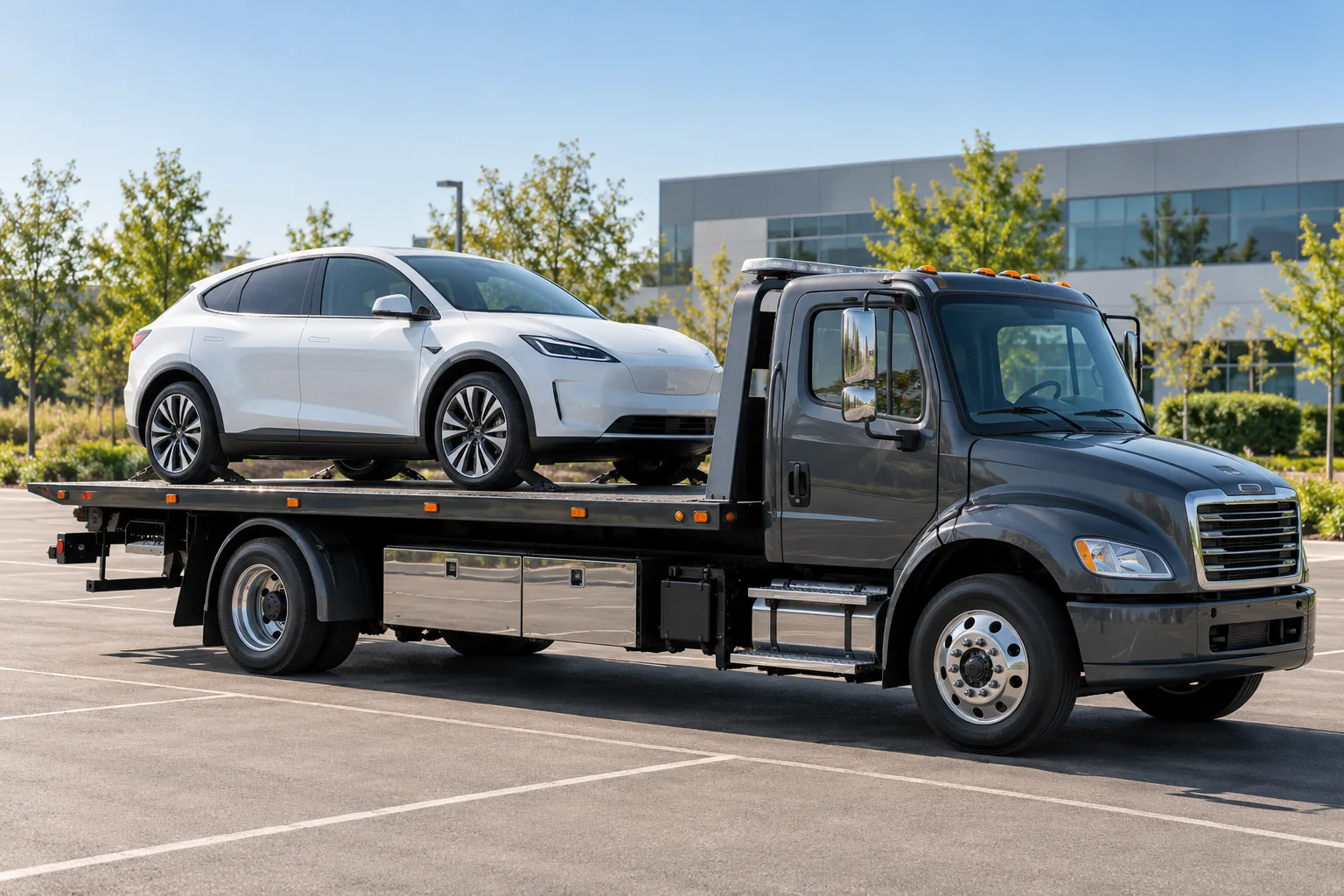
Electric vehicle collision enquiry
Identify the exact model and report known battery damage, unusual heat, smoke or other hazards to responders. EV transport needs manufacturer-specific assessment.
Transfer after initial recovery
Give the current holding location, release contact and approved receiving destination. Confirm access and any release requirements before arranging another tow.
What to share when you call.
- A towing enquiry is not emergency response or confirmation of police-directed dispatch.
- Collision recovery, towing, storage and subsequent transfers may be separate activities.
- Insurer coverage and direct billing must be confirmed with the responsible parties.
- Damaged electric vehicles, cargo incidents and spills may require specialist resources beyond towing.