24/7 roadside assistance • Hamilton • Burlington • NiagaraNeed a tow? Let’s talk about the job ↗
HAMILTONHEAVY TOWING
MENU ☰

MOTORHOMES & RECREATIONAL VEHICLES

RV and motorhome towing in Hamilton

A motorhome is a vehicle, a living space and often a major investment. When it cannot continue, its class, chassis, body clearance and loaded condition all influence towing decisions. Hamilton Heavy Towing provides RV and motorhome towing in Hamilton, surrounding communities and the Niagara corridor, with an equipment assessment for the particular RV. Explain whether you have a self-propelled motorhome, camper van or a separate towable trailer. Include the location and preferred repair destination. Before a move is confirmed, discuss the exact vehicle, access limits, timing, occupants and any other vehicles or trailers connected to it.

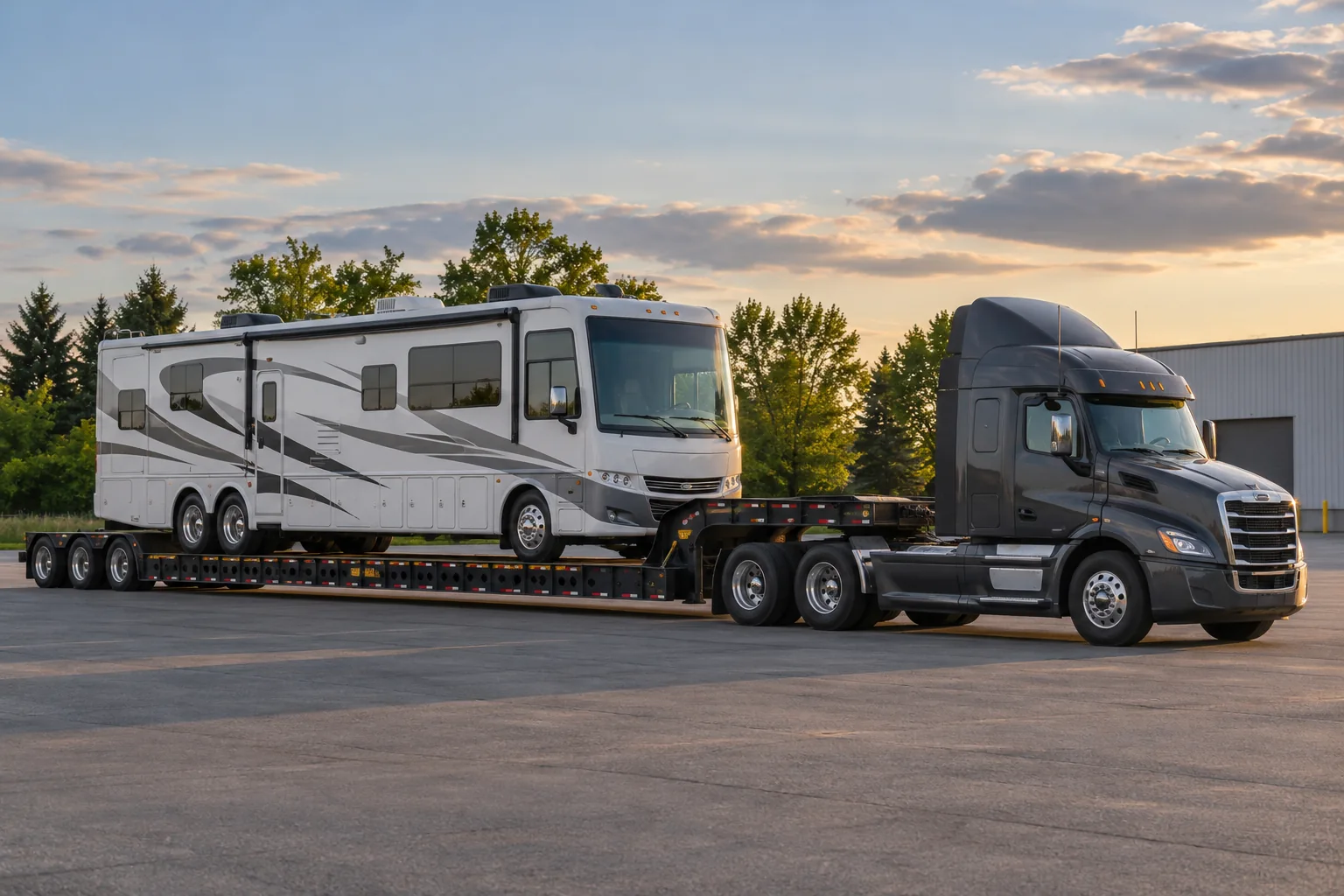
Motorhome supported on a suitable heavy transport trailer in a private paved yard

The details that make the difference

Book for the RV you actually have

The term RV covers a wide range of vehicles. A large diesel motorhome, compact camper van and travel trailer are not interchangeable towing requests. Provide the make, model, class, overall dimensions and available weight information, including any rear-mounted accessories or connected vehicle. Campgrounds and storage yards can introduce narrow gates, uneven ground and turning restrictions, so mention those conditions early. If there is visible collision damage or a mechanical concern, explain it without attempting unfamiliar repairs. The receiving facility should confirm that it works on the RV’s chassis and size. Occupant and pet transportation needs a separate plan.

When this service makes sense.

Motorhome breakdown

Describe the chassis, size and fault, along with any connected tow car. Manufacturer towing requirements and current equipment suitability need review.

Camper van transport

Provide the model, drivetrain and conversion features. Roof equipment, added height or a modified body can affect access and transport planning.

Campground or storage move

Explain gate width, site layout and surface conditions. A park address alone may not identify whether the RV is accessible to towing equipment.

Towable trailer enquiry

State whether the unit is a travel trailer, fifth wheel or another type. Coupling, running gear, weight and suitable towing arrangements must be assessed separately.

What to share when you call.

  • RV towing assessment should use the actual class, chassis and loaded condition.
  • Tow cars, trailers, rear racks and other accessories need disclosure before booking.
  • Campground, storage and repair-facility access can affect whether a move is practical.
  • Roadside accommodation, passenger transport and mechanical repair are separate arrangements.
A service request is assessed for the vehicle, conditions and available equipment. Specialist lifting, load handling, unusual dimensions or complex recovery may need additional planning. Call to confirm the scope for your job.

A direct route to the next step

Need rv and motorhome towing?

Call 289-670-3373 to talk through the job, or share your vehicle and pickup details here. For roadside assistance, the phone line is available 24/7.

Motorhome supported on a suitable heavy transport trailer in a private paved yard
Vehicle type, condition and access help determine the towing plan.

Urgent help starts with a call. A saved online enquiry does not dispatch a truck.

Get a free no obligation quote.

Online enquiries continue by email after saving. For immediate assistance, call 289-670-3373.

After saving, open the prepared email and press Send. We use these details to respond to your request. Privacy information.

The vehicle changes. The details matter.

Towing services for your situation.

Explore the service that matches the vehicle and the problem. Each guide explains what to share, what affects the plan and what to ask before authorizing work.

Motorhome supported on a suitable heavy transport trailer in a private paved yard
RV and motorhome transport ↗Include the motorhome’s dimensions and receiving-site restrictions when arranging transport.
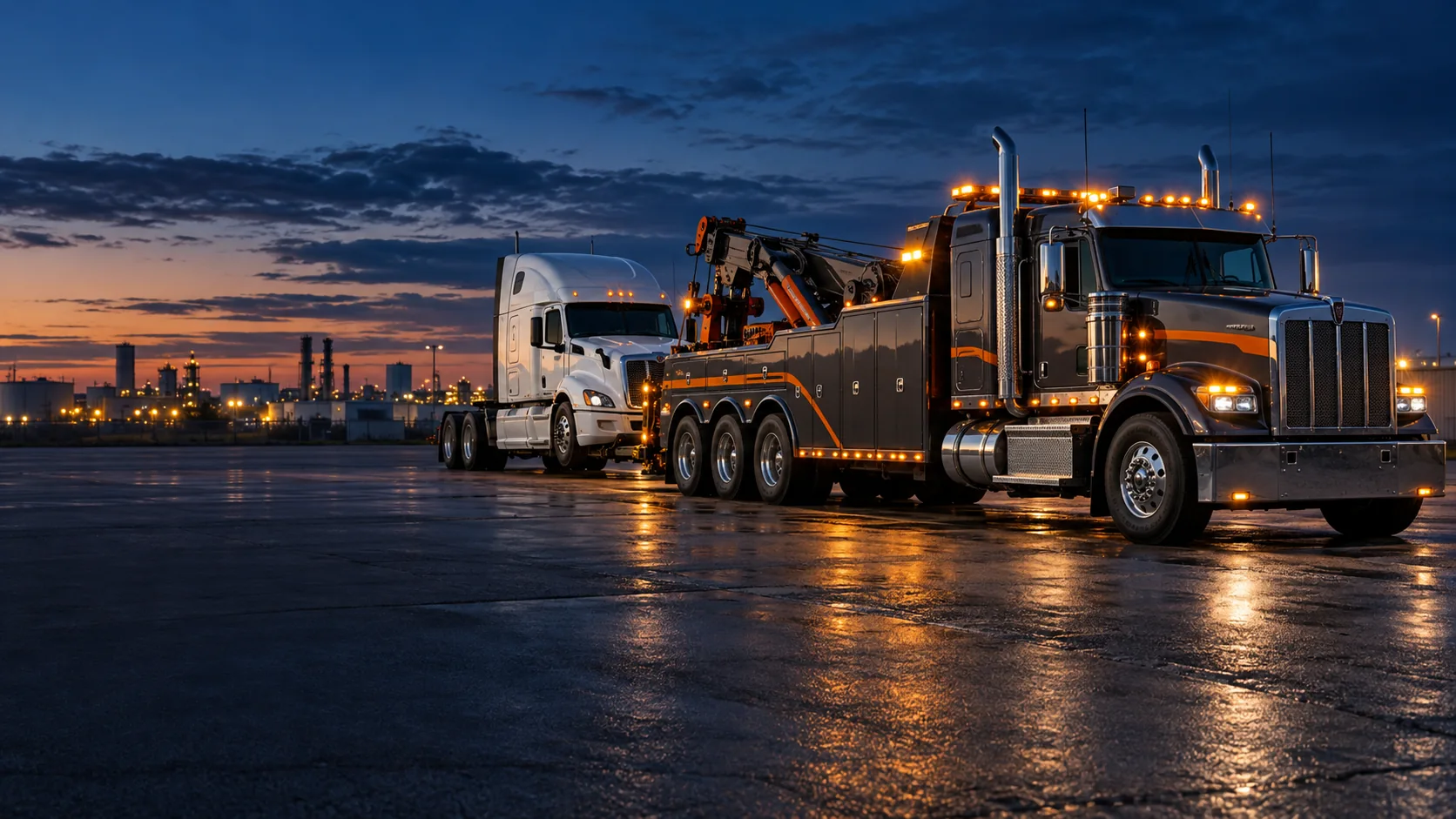
Heavy-duty wrecker and white semi tractor parked in an industrial yard at dusk
Heavy truck towing ↗Weight, configuration and vehicle condition shape the heavy towing plan.
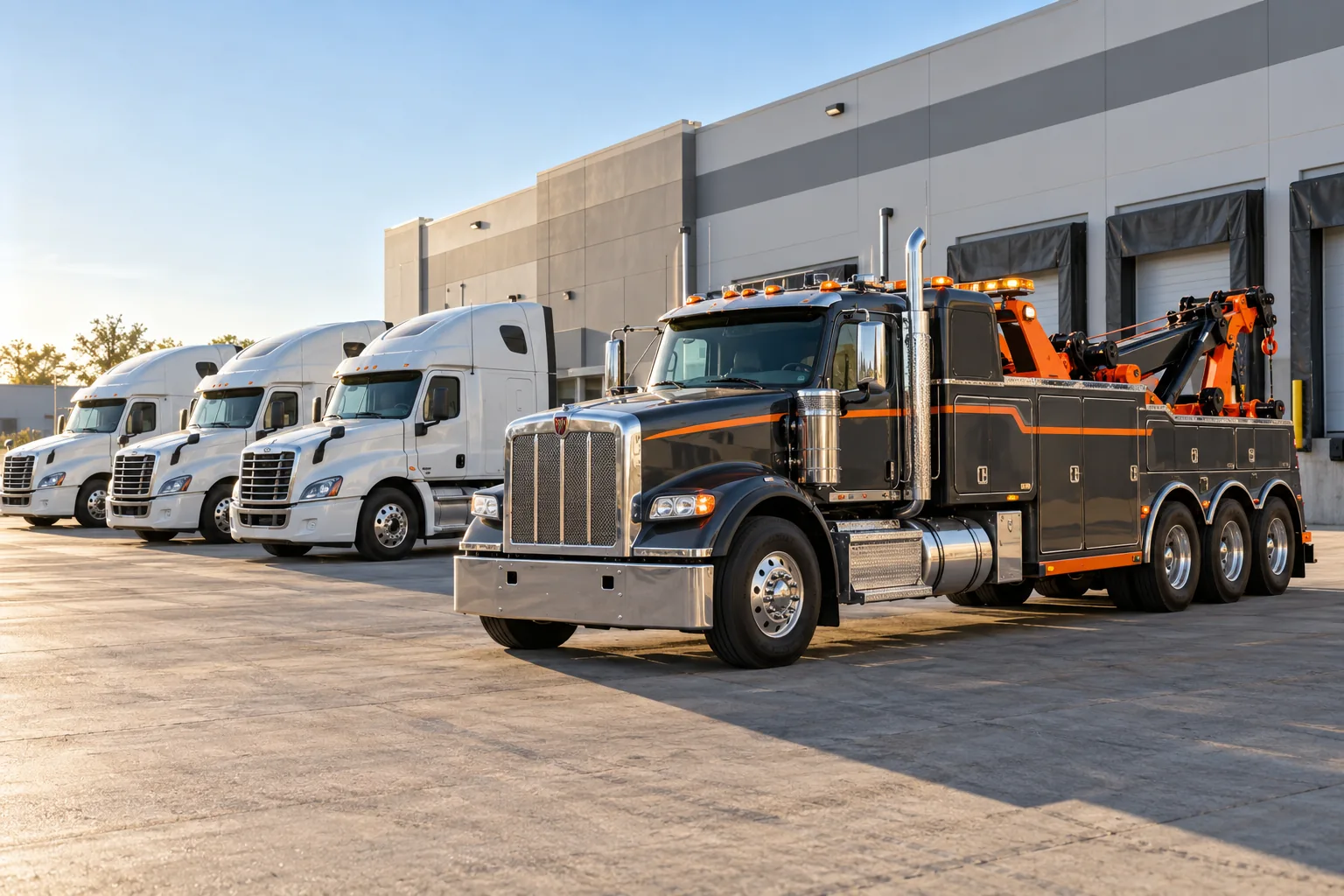
Heavy tow truck and three freight tractors parked at a commercial loading yard
Fleet and commercial transport ↗Coordinate the driver, the authorizing contact and the receiving facility.

Understand the service

Plan around the motorhome you have, not a generic RV category

An RV tow combines vehicle-specific preparation with campsite access, repair acceptance and personal travel needs. Details about the chassis, body and current travel configuration help turn an unfamiliar breakdown into a clearly described transport request.

Find the chassis identity as well as the motorhome brand

A motorhome may carry a coach-builder name while using another manufacturer’s chassis, engine or drivetrain. Supply both identities when known, along with the model year and vehicle identification from records already available. A coach manual can explain the living-area systems, while chassis towing information addresses different vehicle requirements. Giving the professional both sets of information is more useful than relying only on the Class A, B or C label.

Manufacturer instructions can distinguish emergency towing from recreational towing, such as taking another vehicle behind a motorhome. Those terms should not be treated as interchangeable guidance for a disabled RV. Identify the exact manual and model rather than copying a procedure from an unrelated motorhome discussion. Towing preparation belongs with the qualified professional assessing the vehicle; having the documentation available helps that assessment without requiring the owner to perform mechanical work.

Describe the current travel configuration and loading

An RV’s empty specification and its condition during a trip are different things. Travel supplies, water, fuel and accessories contribute to the current load, while rear carriers or an attached car change the overall configuration. Storage volume is not a measure of available carrying capacity. Existing weight records and the manufacturer’s specifications help explain the vehicle, but should be identified accurately rather than combined into an unsupported estimate of present weight.

Body equipment introduces another dimension. Slides and awnings increase width when extended, steps affect clearance, and levelling equipment outside its travel position can change whether movement is appropriate. Roof accessories can also make a broad model description insufficient for height planning. A fault in these systems may require suitable RV support before transport is possible. Disclose the current condition rather than assuming an extended or damaged component can remain that way during the journey.

A campsite address needs a route to the individual campsite

For campground or storage collection, give the campsite or row number and the entrance that reaches it. Describe narrow lanes, trees, slopes and ground conditions already known. Explain whether the motorhome is on a hard surface or has settled into soft ground. A tow request for a non-running motorhome and a recovery request for an embedded vehicle are different starting points, even when both are described as leaving a campsite.

Ask the site manager about access permission, gate hours and the contact available during collection. Share any site map already provided by the campground, but let the towing professional assess the workable approach. Do not assume that driving a motorhome into a campsite establishes sufficient room for towing equipment to collect it. If the location or surface has changed since arrival, explain the current conditions rather than relying on the normal campsite description.

Choose the repair destination by the problem and vehicle

A shop that handles coach appliances may not handle the chassis fault, while a chassis workshop may have limited facilities for a large motorhome body. Explain the known problem to the proposed receiver and confirm that it accepts the model, dimensions and non-running arrival. Ask where the RV will wait if repairs cannot start immediately and whether access to the living area will be permitted while it is there.

Before collection, separate transport decisions from accommodation, pet travel, medication, food and personal belongings. Confirm who can receive the RV and how keys or documents should be handed over. For a longer trip home or to a preferred dealer, discuss the full route and delivery window before acceptance. Ask how additional stops or a changed destination affect the scope rather than assuming that every travel arrangement is included in the initial tow estimate.

A clearer budget

Understand the cost of this service.

A regional operator’s example for straightforward local heavy-vehicle hookup and transport. Minimum hours, travel, distance, vehicle configuration and taxes need confirmation; this is not an all-inclusive job price.

Full towing prices & cost guide ↗

Basic local heavy towing

$150–$250/hour

Regional advertised budget guide · straightforward towing

Published provider-guide reference in CAD; not our rate schedule or a confirmed quote. Minimum time, travel, mileage, added resources and taxes need confirmation.

Published market source ↗

A clear process

Plan the job.
Confirm the next step.

01 /

Describe the complete setup

Include RV type, dimensions, approximate loaded weight, accessories and anything attached or being towed.

02 /

Review pickup and repair access

Explain campground restrictions and confirm a receiving business that accepts the RV’s size and chassis.

03 /

Confirm the movement details

Agree on equipment, cost, availability and timing. Arrange onward travel for occupants and pets separately.

Let’s talk about your rv and motorhome towing.

Share your location, vehicle type and what happened. We’ll talk through the next step.

289-670-3373 ↗

A little clarity goes a long way

RV and motorhome towing questions.

Practical answers for the vehicle, equipment and situation.

Ask us about your job ↗
Can every motorhome go on a flatbed?

No universal method suits every motorhome. Weight, length, height, clearance, chassis instructions and available equipment determine the approach. Provide the exact model for an individual assessment.

Can you tow a fifth wheel or travel trailer?

Enquiries can be assessed, but towable trailers require suitable coupling, weight, brake and transport arrangements. Confirm the specific trailer and equipment availability rather than booking it as a standard motorhome tow.

Should I bring the RV owner’s manual?

Manufacturer towing information is useful, particularly for chassis, drivetrain and suspension requirements. Share the model and available guidance with the towing professional; preparation should be handled by qualified personnel.

What about a car attached behind the RV?

Tell the booking contact before a truck is selected. The tow car and its connection change the setup, and separate transportation or handling may be required.

Can the RV be moved to Niagara Falls or another city?

Longer RV movements can be considered with complete vehicle and route details. Destination acceptance, loaded dimensions, equipment and scheduling must be confirmed before the journey is agreed.

Can a motorhome be collected from a campsite or storage pitch?

Provide the site name, pitch number, gate hours, surface and turning space. Mention trees, narrow lanes and slopes. Arrange site permission and an access contact so the towing operator can assess the route to the motorhome before confirming collection.

What if the RV slides, levelling system or awning will not retract?

Report the exact condition and any increased dimensions before transport is arranged. Do not assume extended equipment can remain in that position during a move. Appropriate RV or chassis support may be needed before towing is suitable; disclose the problem at the first call.

Should I remove belongings and food before the RV is collected?

When safe, arrange to keep medication, documents, valuables and time-sensitive food you need. Tell the operator about loose contents or unusual loads. Packing, refrigeration, accommodation and belongings storage are not automatically part of an RV towing quote.

What should I confirm with an RV repair dealer before delivery?

Confirm it accepts your particular RV and chassis, can receive a non-running vehicle, and has space for its dimensions. Get a receiving contact, delivery window and key instructions. A regular service appointment alone does not settle access for a towing delivery.

Keep exploring

More help for your next move.

Hamilton and the surrounding region

Find help in your area.

Let’s get the details right

Big job or small.
Start with a clear quote.

Tell us what needs moving, where it is, and where it needs to go. We’ll discuss the suitable towing method, access, availability and cost before you commit.

289-670-3373hamiltonheavytowing@gmail.com
  • Heavy trucks, commercial fleets & everyday vehicles
  • Hamilton, surrounding communities & Niagara Falls
  • Long-distance transport enquiries welcome

Need urgent help? Call. Online enquiries are not a confirmed booking or dispatch. For an immediate threat to life or a dangerous traffic situation, call 911.

Tell us what you need.

Online enquiries continue by email after saving. For immediate assistance, call 289-670-3373.

After saving, open the prepared email and press Send to deliver your enquiry. For immediate assistance, call. Your details are used to respond to this request. Privacy information.

24/7 roadside assistanceCall 289-670-3373No obligationGet a free quote ↗